
Professional Bridle Fitting | Specialist Bit Fitting | Saddle fitting
Precision Fitting for Peak Performance
Covering Northamptonshire and surrounding areas
07359 205538
Professional Bridle Fitting | Specialist Bit Fitting | Saddle fitting
Precision Fitting for Peak Performance
Covering Northamptonshire and surrounding areas
07359 205538
Can You Change Materials?
Yes! Many horses who start in one material transition to others as their needs change:
Common progressions:
Don't feel locked into your first material choice.
As your horse develops, their needs may change, and material changes can support their evolution.
Professional Guidance Matters
Material selection seems straightforward but can be nuanced. Professional bit fitters consider:
The Fitted Horse provides expert guidance on material selection, often including trials of different materials so you can observe your horse's actual responses rather than guessing.
The Bottom Line: Material Matters
The material your bit is made from genuinely affects how your horse experiences it.
Sweet iron's salivation encouragement, copper's taste appeal, titanium's warmth and biocompatibility, rubber's gentleness.
These aren't marketing claims, they're real functional differences that impact your horse's comfort and acceptance.
Choose materials based on your horse's genuine needs, not assumptions about what "should" work.
Professional guidance, systematic observation of your horse's responses, and willingness to try different options when needed ensure you find the material that truly serves your partnership.
Choosing What's Right for Your Horse
The material your bit is made from isn't just an aesthetic choice—it fundamentally affects how the bit feels in your horse's mouth, how they respond to it, and what benefits (or challenges) it provides.
Bombers Bits offers their designs across multiple carefully selected materials, each chosen for specific functional properties that serve different horses' needs.
Understanding these materials empowers you to make informed decisions that genuinely serve your horse's comfort and acceptance, rather than simply choosing based on appearance or assumption.
What It Is
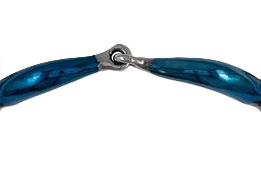
Blue Sweet Iron is Bombers' most iconic innovation—a specially formulated iron alloy coated with their distinctive blue finish.
The iron underneath oxidizes (rusts) when exposed to moisture from your horse's saliva, creating a slightly sweet taste that encourages mouthing, salivation, and jaw relaxation.
The blue coating provides all the functional benefits of traditional sweet iron while preventing the messy orange-rust residue that stains everything it touches.
Blue Sweet Iron - The Bombers Signature
Why Choose Blue Sweet Iron
Best for:
The benefits horses experience
Encourages acceptance: The sweet taste created by oxidation makes the bit pleasant rather than neutral or unpleasant, encouraging horses to accept it willingly rather than tolerate it reluctantly.
Promotes salivation: Oxidising sweet iron naturally stimulates salivation. Proper salivation lubricates the mouth, prevents dryness and discomfort, and is a visible sign that the horse is relaxed and working correctly—dressage judges specifically look for "wet mouth" as an indicator of correct work.
Softens the jaw: The slightly sweet taste and increased salivation encourage horses to mouth the bit actively, play with it gently, and maintain a soft, mobile jaw rather than clenching or fixing rigidly.
Creates positive associations: Horses often develop preferences for sweet iron bits because they genuinely taste pleasant. This positive association makes bitting easier and more pleasant for the horse.
Appearance and What to Expect
New: Distinctive blue coating covering the entire mouthpiece—instantly recognizable as a Bombers bit.
With use: The blue coating gradually wears in high-contact areas, revealing the sweet iron underneath. Orange-brown oxidation appears where the iron is exposed—this is completely normal, expected, and actually desirable functionally.
Long-term: Over months and years, more of the blue wears away and oxidation becomes more extensive. The bit becomes predominantly orange-brown rather than blue. This is not deterioration—it's the bit working exactly as designed, with the sweet iron now fully exposed and oxidizing to provide maximum benefit.
Pros and Cons
Advantages:
✅ Encourages acceptance and willing bit contact
✅ Promotes healthy salivation and mouth comfort
✅ Helps tense horses relax through the jaw
✅ Creates positive associations with bit work
✅ Suitable for the vast majority of horses
✅ Functional benefits that directly improve way of going
Considerations:
❌ Appearance changes significantly with use (blue becomes orange-brown)
❌ Light oxidation residue can transfer to hands during handling (wipes off easily)
❌ Some owners dislike the "rusty" appearance even though it's functional
❌ Requires accepting that the bit won't stay pristine and blue
Who It's NOT Ideal For
The Bottom Line on Blue Sweet Iron
Blue Sweet Iron is Bombers' signature material for good reason—it offers genuine functional benefits for most horses, encouraging the relaxation, acceptance, and salivation that characterise correct, comfortable work.
The appearance changes are cosmetic, not functional deterioration. If you can accept that your bit will look different after use (actually better functionally!), Blue Sweet Iron is an excellent choice for the majority of horses.
Titanium - The Premium Performer
What It Is
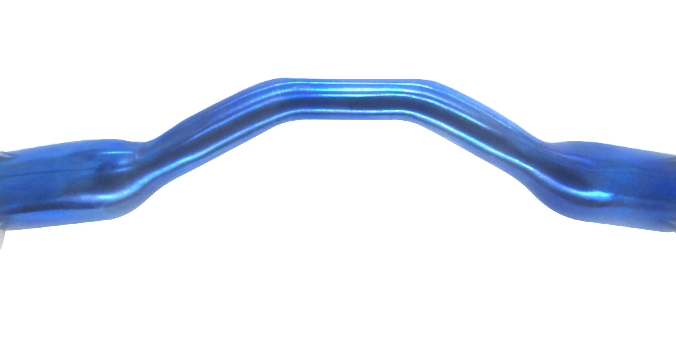
Aerospace-grade titanium—an exceptionally strong, lightweight, biocompatible metal that's warm to touch rather than cold like steel.
Titanium offers unique properties that make it a premium choice for specific situations and sensitive horses.
Why Choose Titanium
Best for:
The benefits horses experience
Naturally warm: Unlike steel which is cold to touch, titanium feels warm—closer to body temperature. Sensitive horses often accept titanium more readily because it doesn't have the "cold shock" of metal bits.
Exceptionally lightweight: Titanium bits are significantly lighter than steel equivalents. For horses who find bits heavy or tiring, this can make a real difference in acceptance and comfort.
Biocompatible: Titanium is used in medical implants because it's so compatible with body tissue. It causes virtually no reactions, making it ideal for horses with sensitivities.
Premium feel: There's something about titanium that many horses seem to prefer—whether it's the warmth, the weight, or other properties, titanium often achieves acceptance where other materials haven't.
Appearance and What to Expect
New: Distinctive grey colour with slight blue tinge—different from steel's bright silver.
With use: Maintains appearance well. Doesn't rust, oxidize significantly, or change colour. May develop subtle dulling but generally stays looking good.
Long-term: Remains grey with minimal changes. Very durable appearance.
Pros and Cons
Advantages:
✅ Warm to touch, not cold like steel
✅ Exceptionally lightweight
✅ Hypoallergenic and biocompatible
✅ Very strong despite light weight
✅ Often accepted by fussy horses
✅ Maintains appearance well
✅ Premium quality
Considerations:
❌ Expensive—significantly more costly than other materials
❌ Doesn't provide salivation encouragement (neutral like steel)
❌ Limited availability—not all designs come in titanium
❌ Cost may not be justified unless horse genuinely needs titanium's specific properties
Who It's NOT Ideal For
The Bottom Line on Titanium
Titanium is the premium choice when your horse genuinely benefits from its unique properties—warmth, light weight, biocompatibility.
It's expensive, so choose it when your horse has specific sensitivities or reactions that titanium solves, not just because it's "the best."
For the right horse, titanium can be genuinely transformative. For horses who are fine with steel or sweet iron, it's an unnecessary expense.
Rubber and Nylon - The Gentle Giants
What They Are
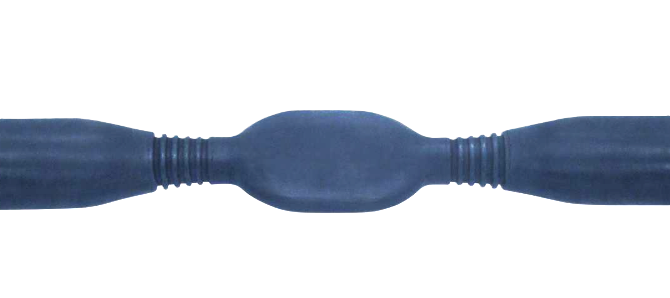
Rubber: Soft, flexible material made from natural or synthetic rubber, either solid or moulded over a metal core for strength.
Nylon: Firmer than rubber but still softer than metal—a synthetic polymer offering durability with gentleness.
Both materials provide much softer contact than any metal, making them the gentlest options available.
Why Choose Rubber or Nylon
Best for:
The benefits horses experience
Maximum gentleness: These are the softest bits available. Contact is cushioned and gentle, reducing anxiety in horses who find metal frightening or painful.
Reduced fear: Horses with negative bit experiences often accept rubber or nylon more readily because it doesn't trigger fear responses associated with metal.
Comfortable during recovery: Horses healing from mouth injuries can often tolerate rubber or nylon when metal would be too harsh.
Confidence building: Young or traumatised horses can build positive associations with bit work using gentle materials before progressing to metal.
Appearance and What to Expect
New: Usually black, grey, or coloured (blue, green). Smooth, soft surface.
With use: Surface may show slight marks from teeth or wear. Colour may fade slightly. Material can develop texture changes over time.
Long-term: Rubber can harden, crack, or degrade. Nylon is more durable but can still show wear. These materials have shorter lifespans than metal.
Pros and Cons
Advantages:
✅ Maximum gentleness and softness
✅ Excellent for sensitive horses
✅ Reduces fear in traumatized horses
✅ Good for young horses learning acceptance
✅ Comfortable during injury recovery
✅ Can build confidence before progressing to metal
Considerations:
❌ Shorter lifespan than metal—requires more frequent replacement
❌ Can degrade, crack, or harden over time
❌ Some horses chew them or damage them with teeth
❌ Less precise communication than metal
❌ Not suitable for long-term use in most situations
❌ Temperature extremes affect material (hardening in cold, softening in heat)
❌ Can be bulkier than metal equivalents
Who It's NOT Ideal For
The Bottom Line on Rubber and Nylon
These materials excel in specific situations—young horses, rehabilitation, extreme sensitivity—where their gentleness justifies their limitations.
They're typically transitional materials, used to build confidence or during recovery before progressing to metal bits that offer better communication and longevity.
Choose them when softness is genuinely needed, not as default options for all horses.
Material Combinations - Best of Multiple Worlds
Bombers also offers bits combining multiple materials in strategic configurations:
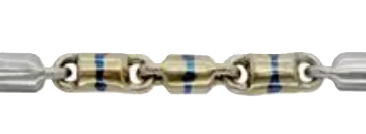
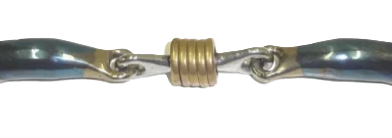
Copper or Sweet Iron Inlay in Stainless Steel
What it is: Stainless steel or sweet iron mouthpiece with copper segments inlaid.
Why choose it: Combines the durability and structure of steel/iron with copper's taste appeal.
The copper provides salivation encouragement while the stronger metal provides longevity and strength.
Best for: Horses who benefit from copper's taste but need the durability of steel, or horses who prefer variety of sensation rather than uniform material.
Copper Rollers with Metal Arms
What it is: Metal mouthpiece (steel or sweet iron) with copper rollers or barrels.
Why choose it: The metal provides strength and clear communication while copper rollers offer taste interest and encourage mouthing/relaxation.
Combines function with engagement.
Best for: Horses who are tense or anxious but need clear communication from metal mouthpieces.
The copper rollers provide distraction and encouragement while maintaining metal's functionality.
How to Choose: Material Selection Guide
Start with These Questions:
1. Does my horse need encouragement to accept the bit, soften, or salivate?
2. Is my horse particularly sensitive, anxious, or reactive?
3. Does my horse have special circumstances?
4. What's my priority—function or appearance?
5. What's my budget?
Decision Tree:
Horse is tense, resistant, or has dry mouth: → Try sweet iron first (most horses)
→ If insufficient, try copper
→ If extremely sensitive, consider titanium
Horse is very young or recovering from trauma: → Start with rubber/nylon
→ Progress to sweet iron when ready
Horse is established, working well, no special needs: → Stainless steel is excellent
→ Sweet iron if you want functional benefits
Horse has sensitivities or allergies: → Titanium (best biocompatibility)
→ Stainless steel (good hypoallergenic option)
Horse has specific preference (rejecting most bits): → Systematic trial of materials with professional guidance
→ Often copper or titanium succeeds

We need your consent to load the translations
We use a third-party service to translate the website content that may collect data about your activity. Please review the details in the privacy policy and accept the service to view the translations.