Master Bridle Fitting | Specialist Bit Fitting | Saddle fitting
Precision Fitting for Peak Performance
Covering Northamptonshire and surrounding areas
07359 205538
Master Bridle Fitting | Specialist Bit Fitting | Saddle fitting
Precision Fitting for Peak Performance
Covering Northamptonshire and surrounding areas
07359 205538
Your saddle is where significant weight meets sensitive anatomy. When it doesn't fit correctly, every ride becomes uncomfortable for your horse, and every aid becomes unclear or compromised.
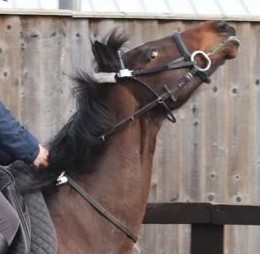
Poor saddle fit is one of the leading causes of:
Many issues attributed to training problems, rider error, or the horse being "difficult" are actually pain responses from ill-fitting saddles. The "lazy" horse who won't engage, the "spooky" horse who's tense, the "one-sided" horse who won't bend—these are often horses trying to tell us their saddle hurts.
Correct saddle fit is not a luxury—it's fundamental to:
Your horse cannot tell you in words that their saddle causes pain. They show you through their behaviour and performance. Professional saddle fitting ensures your horse can work without pain, move correctly, and reach their true potential.
When the saddle fits correctly, everything becomes easier. When it doesn't, everything becomes harder—for both of you.
Duration: Typically around 2 hours for comprehensive assessment
What to Have Ready: Your horse (clean and ready to tack), current equipment, safe area for ridden work, experienced rider available
What You'll Receive: Specific equipment specifications, fitting instructions, and ongoing support
Q: How often should my horse have a saddle fitting assessment?
A: We recommend professional saddle fitting assessment at least annually for adult horses in regular work. Young horses (under 7 years) developing and changing shape should be checked every 6-12 months. Additionally, reassess whenever you notice behavioural changes, performance issues, after significant weight gain or loss, changes in work level, or if your horse has had time off. If you're experiencing specific problems with your current saddle, don't wait—book a consultation promptly.
Q: How long does a saddle fitting consultation take?
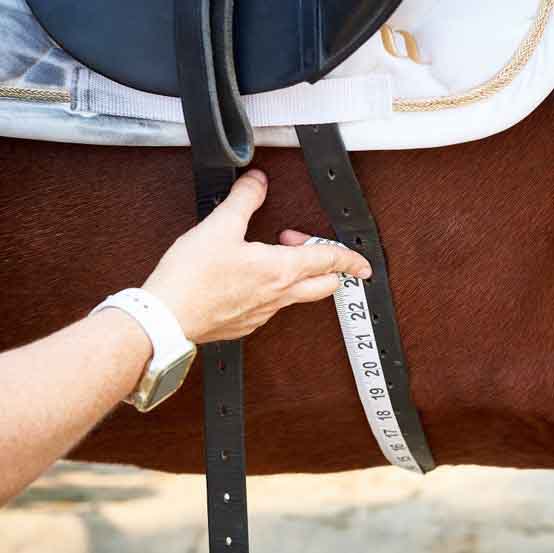
A: A comprehensive saddle fitting consultation typically takes around 2 hours. This includes discussion of your horse's history and work, physical assessment of your horse's back, evaluation of current saddle (if applicable), observation of ridden work, and detailed recommendations. We don't rush—proper saddle fitting requires thorough assessment.
Q: Do I need to buy a new saddle?
A: Not necessarily. Sometimes adjustments to your existing saddle—reflocking, gullet adjustment, or repositioning—can resolve issues. We'll honestly assess whether your current saddle can be made to work or if replacement is necessary. Our priority is your horse's comfort, not selling saddles. However, if your current saddle fundamentally doesn't suit your horse's conformation or cannot be adjusted appropriately, we'll recommend replacement with specific guidance on what will work.
Q: My saddle is expensive/high quality. Surely it fits correctly?
A: Price and brand don't guarantee correct fit. An expensive saddle that doesn't fit your individual horse's conformation is worthless—and potentially harmful. Conversely, a modestly priced saddle that fits correctly serves your horse well. Fit is about matching saddle design and dimensions to your specific horse's anatomy, regardless of cost or brand reputation.
Q: Can you help with behavioural problems like bucking or resistance?
A: Yes—many behavioural issues stem from saddle-related pain or discomfort. Bucking, refusing, resistance to going forward, tension, "cold-backed" behaviour, and general unwillingness are frequently caused by poor saddle fit. We systematically assess whether your saddle contributes to these behaviours and provide solutions. However, we'll also identify if veterinary, dental, training, or other issues require attention alongside or instead of saddle changes.
Q: What do I need to have ready for the consultation?
A: Please have your horse clean and ready for assessment—we need to examine their back without dirt or mud interference. Have your current saddle(s) and any pads/numnahs available. Ensure you have a safe area for ridden work and an experienced, competent rider available. If possible, have recent veterinary or back assessment records on hand. We'll bring all necessary assessment equipment.
Q: Will you bring saddles to try during the consultation?
A: We bring assessment equipment, measuring tools, demonstration saddles, and diagnostic technology to every consultation. Depending on your situation and our inventory, we may have trial options available. However, the primary goal is thorough assessment and specific recommendations for saddles suited to your horse's individual conformation and your discipline, which you can then trial or purchase through appropriate channels with our guidance.
Q: Does my horse need to be ridden during the consultation?
A: Ideally yes—observing your horse under saddle is essential for comprehensive assessment. We need to see how they move, respond to the saddle, and behave during work. The saddle must function correctly dynamically (in motion), not just statically (standing still). However, if your horse cannot be ridden due to injury, severe issues, or being in very early training, we can conduct assessment based on conformation, back evaluation, and static saddle fit, with follow-up when riding resumes.
Q: What if my horse is sensitive or dangerous to handle?
A: Safety is our priority. We're experienced with sensitive horses and adapt our approach accordingly—working calmly, patiently, and within the horse's comfort zone. For horses with significant behavioural issues, we assess what's safe and may recommend addressing underlying problems (veterinary examination, dental work, training support) before proceeding with full saddle fitting. We never compromise safety for assessment completion.
Q: Can you assess my saddle fit if my horse hasn't had recent back/dental work?
A: We can assess saddle fit regardless of recent examinations, but we strongly recommend your horse has had professional dental work within the last 6-12 months and veterinary clearance if back problems are suspected. Back pain from other sources (injury, kissing spine, muscle damage) and dental issues can create symptoms identical to poor saddle fit. For accurate assessment and appropriate recommendations, we need to know the horse's back is healthy. If examinations are overdue or we identify potential issues, we'll recommend these before finalizing saddle decisions.
Q: My horse has high withers. Can you help?
A: Yes—high-withered horses require saddles with adequate wither clearance and appropriate panel design to avoid pressure on the wither or spine. We assess your horse's specific wither shape and height, recommend saddles designed to accommodate high withers, and ensure proper clearance and weight distribution. Many saddle designs specifically address high-withered conformations.
Q: My horse is very broad/narrow. Will standard saddles fit?
A: Horses with very broad backs or very narrow backs can be challenging for standard saddles, but solutions exist. We assess your horse's specific width and shape, recommend saddles with appropriate tree widths (or adjustable options), and may suggest brands known for accommodating extreme widths. For horses outside standard ranges, custom options or adaptive saddles (like WOW) may be most appropriate.
Q: My horse has an asymmetric back. Can saddles accommodate this?
A: Asymmetry is surprisingly common and can often be accommodated. We assess the degree and nature of asymmetry, determine whether it's muscular (potentially correctable through proper saddle fit and work) or structural (permanent). Flocking can be adjusted asymmetrically, shims can address minor asymmetry, and adaptive saddles with flexible panels often work well for asymmetric horses. Significant asymmetry may require specialized solutions or veterinary assessment.
Q: Can the same saddle fit multiple horses?
A: It depends on how similar your horses are in conformation. Horses of very similar size, shape, and back width can sometimes share a saddle, though it's rarely optimal for both. Horses of significantly different sizes or shapes cannot safely share one saddle—compromising fit on either horse creates welfare and safety issues. Adjustable saddles (like WOW with changeable gullet systems) are specifically designed to fit multiple horses with professional adjustment between uses.
Q: My saddle used to fit but now seems wrong. What changed?
A: Several factors can cause previously good fit to deteriorate:
Professional assessment identifies what changed and whether adjustment or replacement is needed.
Q: What are the signs my saddle doesn't fit correctly?
A: Common indicators include:
Any of these warrant professional assessment.
Q: What type of saddle does my horse need?
A: Saddle type depends on your primary discipline and riding goals:
We'll discuss your riding activities and recommend appropriate types, then ensure whatever type you choose fits your horse's conformation correctly.
Q: Should I buy new or second-hand?
A: Both have merits:
New Saddles:
Second-Hand:
We can assess second-hand saddles for condition, suitability, and value, helping you make informed decisions regardless of which route you choose.
Q: What's the difference between adjustable and fixed-tree saddles?
A: Fixed-tree saddles have rigid, unchangeable tree widths—they fit one specific back width. If your horse changes shape or you change horses, you need a different saddle.
Adjustable saddles (like WOW, County Fusion, some others) have changeable gullet systems allowing tree width adjustment. One saddle can accommodate different horses or your horse as they change shape, with professional adjustment.
Adjustable saddles offer versatility and longevity but require proper professional adjustment—they're not "fits everything automatically." They're particularly beneficial for young horses developing, multiple horses, or horses whose shape changes significantly.
Q: Is professional saddle fitting worth the cost?
A: Consider the alternative costs:
Professional fitting prevents these costs by getting it right initially. The consultation fee is minimal compared to the costs of getting it wrong.
Q: Can I fit my own saddle?
A: While you can learn basic assessment skills, professional fitting requires:
DIY assessment often misses critical issues or misinterprets signs. Professional expertise protects your investment and your horse's welfare.
Q: I'm buying a new horse. Should I have the saddle fitted before or after purchase?
A: Ideally, have any saddle you're considering assessed on the horse during vetting or trial period before committing to purchase. This ensures the horse you're buying can comfortably wear your current saddle, or helps you budget for appropriate equipment if your saddle won't suit. Many purchases fail or become problematic when riders discover after purchase that their expensive saddle doesn't fit the new horse.
Q: Can you assess saddle fit on horses in training/not yet backed?
A: For horses not yet backed or in very early training, we can assess back conformation and recommend appropriate saddles for when they're ready, but full dynamic assessment requires the horse to be working under saddle. For young horses just starting, we can guide initial saddle selection and provide full assessment once they're comfortable carrying a rider.
Q: My horse is on box rest/rehabilitation. When should saddle fitting occur?
A: Wait until your horse is cleared for ridden work before comprehensive saddle assessment. However, we can assess their current saddle for future use or evaluate back condition during rehabilitation if concerns exist. Horses often change shape during rehabilitation, so saddles may need reassessment once they return to full work.
Q: Do you provide saddle fitting for ponies/cobs/draft horses?
A: Yes—we work with all breeds, types, and sizes. Ponies, cobs, and draft horses often have unique conformation requiring specific saddle designs, but the principles of correct fit remain the same. We're experienced with the specific challenges these types present and recommend appropriate solutions.
Q: What happens after the initial fitting?
A: We provide:
The follow-up assesses how horse and rider have adapted, makes any fine-tuning adjustments, and ensures everything is working as intended.
Q: How often does my saddle need reflocking?
A: CAIR-cushioned saddles (like some WOW models) never need reflocking—the air cushions maintain consistency throughout the saddle's life, with minor adjustments required.
Q: What maintenance does my saddle need?
A: Regular maintenance includes:
Proper maintenance extends saddle life and maintains fit quality.
Q: Can I contact you between appointments if issues arise?
A: Absolutely—we're available for questions, concerns, or guidance between scheduled appointments. If you notice changes in your horse's behaviour, comfort, or performance, or have questions about your saddle, contact us. We'd rather address concerns early than have problems develop. We provide ongoing support as part of our service.
Learn more about saddle fitting and WOW saddles in our comprehensive blog library.
Discover expert insights on saddle fit, horse comfort, and performance optimisation. Our Knowledge Centre features detailed articles covering everything from recognising signs of poor saddle fit to understanding how a correctly fitted saddle transforms your horse's way of going.
Browse topics including:
Visit the Knowledge Centre to expand your understanding and discover how a professionally fitted WOW saddle can benefit both you and your horse.

The Fitted Horse is an introducer appointed representative of Ideal Sales Solutions Ltd T/A Ideal4Finance. Ideal Sales Solutions is a credit broker and not a lender (FRN 703401). Finance available subject to status. The rate offered is always provisional and will depend upon your personal circumstances, the loan amount and term.
We need your consent to load the translations
We use a third-party service to translate the website content that may collect data about your activity. Please review the details in the privacy policy and accept the service to view the translations.