Master Bridle Fitting | Specialist Bit Fitting | Saddle fitting
Precision Fitting for Peak Performance
Covering Northamptonshire and surrounding areas
07359 205538
Master Bridle Fitting | Specialist Bit Fitting | Saddle fitting
Precision Fitting for Peak Performance
Covering Northamptonshire and surrounding areas
07359 205538
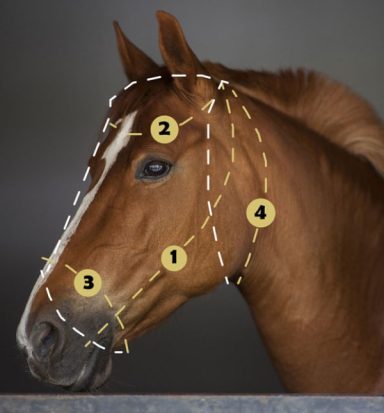
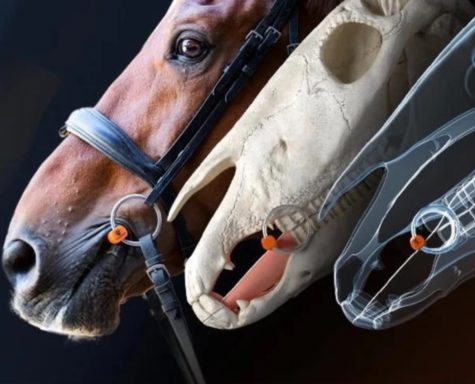
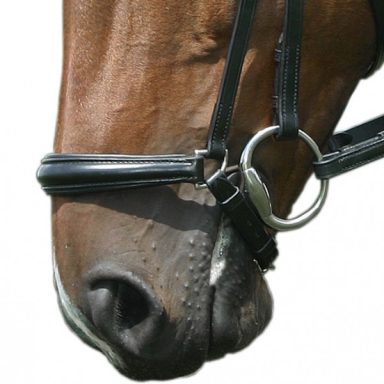
The bit and bridle are your primary means of communicating with your horse, sitting on some of the most sensitive areas of their body—the mouth, poll, face, and jaw. When these essential pieces don't fit correctly, every ride becomes uncomfortable for your horse, and every aid becomes unclear or painful.
Poor fit is one of the most common
—and most overlooked—causes of:
Many horses labelled as "difficult," "lazy," or "resistant" are simply in pain from ill-fitting equipment.
The training problem that won't resolve, the one-sided horse, the persistent contact issues—these are often equipment fit problems in disguise.
Duration: Typically around 2 hours for comprehensive assessment
What to Have Ready: Your horse (clean and ready to tack), current equipment, safe area for ridden work, experienced rider available
What You'll Receive: Detailed written report, photographic documentation, specific equipment specifications, fitting instructions, and ongoing support
Q: How often should my horse have a bridle and bit fitting assessment?
A: We recommend professional assessment at least annually for adult horses in consistent work. Young horses (under 5 years) developing and changing shape should be checked every 6-12 months. Additionally, reassess whenever you notice behavioural changes, performance issues, after significant training level changes, or if your horse gains or loses weight/condition. If you're experiencing specific problems, don't wait—book a consultation promptly.
Q: How long does a consultation take?
A: A comprehensive bridle and bit fitting consultation typically takes around 2 hours. This includes discussion of history and concerns, physical assessment of your horse, evaluation of current equipment, observation of ridden work, and detailed recommendations. We don't rush—your horse's comfort requires thorough assessment.
Q: Do I need to buy new equipment?
A: Not necessarily. Sometimes simple adjustments to existing equipment solve the problems. We'll honestly tell you if your current bridle and bit are working well. However, if equipment doesn't fit correctly or is inappropriate for your horse's anatomy, we'll recommend specific changes. Our priority is your horse's comfort, not selling equipment—we recommend only what's genuinely needed.
Q: My horse has always gone well in this bit. Why would I need a fitting?
A: Horses change shape with age, training, and condition. Equipment wears and stretches over time. Additionally, subtle discomfort may not be obvious—your horse might be "tolerating" rather than being truly comfortable. Many riders are amazed at the transformation when equipment that "worked fine" is optimized. Even horses going well can often go better with correctly fitted equipment.
Q: Can you help with behavioural problems like head tossing or contact evasion?
A: Yes—these are often directly related to bit and bridle fit issues. Head tossing, contact evasion, mouth opening, going behind or above the bit, and resistance are frequently caused by equipment discomfort. We systematically assess whether equipment contributes to these behaviours and provide solutions. However, we'll also identify if veterinary, dental, or training issues require attention alongside or instead of equipment changes.
Q: What do I need to have ready for the consultation?
A: Please have your horse clean and ready to tack up. Have all current bridles, bits, and equipment available for inspection. Ensure you have a safe area for ridden work (arena, school, or enclosed space) and an experienced, competent rider available. If possible, have recent dental and veterinary records on hand. We'll handle the rest.
Q: Will you bring bits and bridles to try?
A: We bring measuring tools and assessment equipment to every consultation. We may have trial bits or bridle components available for systematic testing during the session if appropriate. However, the primary goal is thorough assessment and specific recommendations for equipment suited to your horse's individual needs, which you can then source or trial at home with our guidance.
Q: Does my horse need to be ridden during the consultation?
A: Ideally yes—observing your horse in work is essential for comprehensive assessment. We need to see how they move, respond to contact, and behave under saddle with current equipment. However, if your horse cannot be ridden due to injury, severe behavioural issues, or being in early training, we can conduct static assessment and provide recommendations based on conformation, mouth assessment, and equipment evaluation.
Q: What if my horse is dangerous or has severe behavioural problems?
A: Safety is our priority. If your horse displays dangerous behaviour, we adapt our assessment accordingly—conducting what's safe and providing recommendations based on available information. In some cases, we may recommend veterinary or dental examination first, or addressing specific issues before proceeding with equipment changes. We never push beyond safe limits.
Q: Can you assess my horse if they haven't had recent dental work?
A: We can assess bridle and bit fit regardless of dental status, but we strongly recommend professional dental examination within the last 6-12 months. Dental problems (sharp points, hooks, wolf teeth) significantly affect bit acceptance and can cause symptoms identical to poor equipment fit. If dental work is overdue or we identify potential issues, we'll recommend examination before implementing equipment changes, as proper assessment requires a healthy mouth.
Q: What will I receive after the consultation?
A: You'll receive a comprehensive written report including: detailed findings from our assessment, photographic documentation of current equipment fit, specific recommendations for equipment changes, exact measurements and specifications for bits and bridles, fitting instructions for new equipment, and guidance on sourcing recommended items. You'll also have our ongoing support and a follow-up appointment scheduled.
Q: How much will new equipment cost?
A: Equipment costs vary widely depending on what's needed and your budget. Quality bits range from £30-300+, bridles from £100-500+. We provide recommendations at various price points where possible and focus on what will genuinely benefit your horse. The consultation fee covers our expertise and recommendations—equipment purchases are separate and at your discretion.
Q: Where do I buy the recommended equipment?
A: We can provide guidance on reputable suppliers and brands that stock the equipment we recommend. You're free to source equipment wherever suits your budget and preferences—online retailers, local tack shops, or directly from manufacturers. Some items may be available through us if we stock them, but you're never obligated to purchase through our services.
Q: What if the recommended equipment doesn't work?
A: We provide follow-up support to ensure recommendations work as intended. If issues arise with recommended equipment, contact us—we'll troubleshoot, make adjustments, or reassess. Sometimes horses need time to adjust to changes, or fine-tuning is required. Our goal is your horse's comfort, and we'll work with you to achieve that, including modifying recommendations if needed.
Q: Can you fit bridles and bits for all disciplines?
A: Yes. We work with horses across all disciplines—dressage, show jumping, eventing, showing, general riding, Western, endurance, and more. Each discipline has specific requirements and traditions, which we incorporate into our recommendations while prioritizing your horse's individual comfort and anatomy. Equipment must work for both your horse and your discipline.
Q: Do you only work with problem horses?
A: Absolutely not. While we frequently help resolve problems caused by poor fit, we also work with horses who are going well but whose owners want to optimize comfort and performance. Preventative fitting—ensuring equipment is correct from the start—is just as important as problem-solving. Every horse benefits from professional fitting, regardless of whether issues are apparent.
Q: Can you help if my horse puts their tongue over the bit?
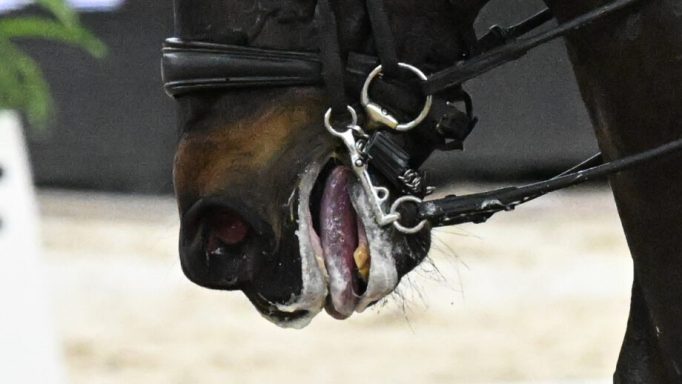
A: Tongue evasions are frequently caused by bit discomfort—often tongue pressure from bits that are too thick, create nutcracker action, or don't accommodate the horse's mouth conformation. We assess why your horse evades and recommend appropriate solutions. However, once established, tongue evasions can become habitual, so addressing the cause and retraining may both be needed.
Q: My horse goes behind/above the bit. Is this an equipment issue?
A: It often is. Going behind the bit (over-flexing) and above the bit (high head, hollow back) are common evasions when poll pressure or bit discomfort makes accepting contact painful. We assess whether equipment contributes and provide solutions. These evasions can also stem from training gaps or pain elsewhere, which we'll identify if equipment isn't the primary cause.
Q: Do you work with young horses just starting?
A: Yes—getting equipment right from the start is ideal. Young horses developing their way of going benefit enormously from comfortable, correctly fitted equipment that doesn't create early negative associations with contact or the bit. We provide guidance appropriate to their training stage and ensure equipment supports rather than hinders their education.
Practical Questions
Q: Do you travel to my yard?
A: Yes—all consultations are conducted at your yard or livery, providing the advantage of assessing your horse in their own environment with their regular rider and familiar surroundings. We cover Northamptonshire and surrounding counties.
Q: How do I book a consultation?
A: Get in touch here and we'll discuss your needs, gather preliminary information, and schedule an appointment at a mutually convenient time. We ask you to complete a pre-booking registration form before your appointment to help us prepare.
Q: What is your cancellation policy?
A: We require 48 hours notice for cancellations or rescheduling. Cancellations with less notice may incur a cancellation fee.
Q: Are you insured?
A: Yes—we carry full professional indemnity and public liability insurance for your peace of mind and protection.
Q: What qualifications do you have?
A: We hold master-level LANTRA certifications in bridle and bit fitting, professional WOW saddle fitting qualifications, and have 35 years of experience working with horses across all disciplines. We maintain ongoing professional development through courses, workshops, and industry associations.
Learn more about bridle and bit fitting in our comprehensive blog library.
Discover expert insights on equipment fit, horse comfort, and performance optimisation. Our Knowledge Centre features detailed articles covering everything from recognising signs of poor fit to understanding how correctly fitted equipment transforms your horse's way of going.
Browse topics including:
Visit the Knowledge Centre to expand your understanding and discover how proper equipment fitting can benefit your horse.

The Fitted Horse is an introducer appointed representative of Ideal Sales Solutions Ltd T/A Ideal4Finance. Ideal Sales Solutions is a credit broker and not a lender (FRN 703401). Finance available subject to status. The rate offered is always provisional and will depend upon your personal circumstances, the loan amount and term.
We need your consent to load the translations
We use a third-party service to translate the website content that may collect data about your activity. Please review the details in the privacy policy and accept the service to view the translations.