
Professional Bridle Fitting | Specialist Bit Fitting | Saddle fitting
Precision Fitting for Peak Performance
Covering Northamptonshire and surrounding areas
07359 205538
Professional Bridle Fitting | Specialist Bit Fitting | Saddle fitting
Precision Fitting for Peak Performance
Covering Northamptonshire and surrounding areas
07359 205538
One of the things that makes WOW saddles genuinely different is the level of personalisation available — not as an afterthought, but as the foundation of the entire system.
Every WOW saddle is built from a set of individual components, each of which can be specified, swapped or adjusted to suit the horse and rider it is made for. The seat, headplate, panels, flaps, girthing configuration and stirrup bar placement can all be selected and changed independently of one another — meaning that as your horse's shape changes, your riding develops, or your discipline evolves, your saddle can evolve with you rather than being replaced entirely.
Whether you are preparing for a fitting, exploring WOW saddles for the first time, or simply curious about how the system works, understanding the components is the best possible starting point.
Because the right saddle is never one size fits all — and with WOW, it never has to be.
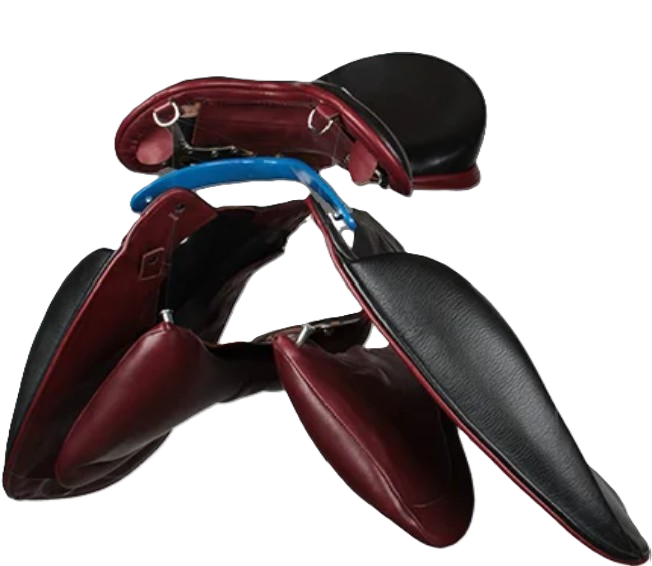
The seat is where horse and rider come together — and in a WOW saddle, every element of it has been considered with both in mind. From the revolutionary flexible tree at its core to the choice of stirrup bar position, tree curvature and seat style, this is a component that does far more than simply give the rider somewhere to sit.
The Tree
The seat is the heart of the WOW saddle — and understanding it begins with the tree.
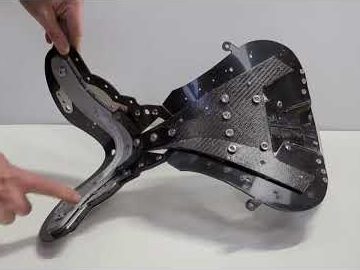
Unlike a conventional rigid tree, the WOW tree is designed to flex dynamically with the horse's movement, following the rotation and expansion of the back with each stride rather than working against it. This flex is not looseness or instability — it is a deliberate, engineered response to the way horses actually move, allowing the saddle to maintain consistent, even contact across the panels without the pressure points that a fixed tree can create as the back changes shape beneath it.
For horses that are sensitive through the back, or whose musculature is still developing, the difference this makes to comfort and freedom of movement can be profound.
Tree Curvature
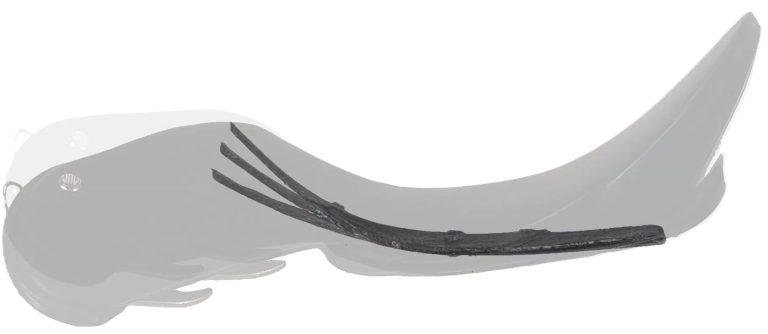
The curvature of the WOW tree is selected to match the shape of the individual horse's back, ensuring the saddle sits in close, even contact from pommel to cantle without bridging or rocking.
Three curvatures are available — flat, semi-curved and curved — spanning the range from a straighter, flatter back profile through to a more pronounced curve.
Selecting the correct curvature is one of the first and most important steps in the WOW fitting process, as no amount of panel adjustment can fully compensate for a tree that does not follow the shape of the back beneath it.
Seat Styles
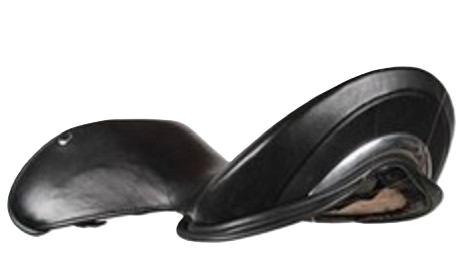
WOW offers a range of seat styles to suit different riders, disciplines and preferences — from close contact options designed for jumping and cross country through to deeper, more supportive seats suited to dressage and general purpose riding.
Each seat style has its own character and its own strengths, and selecting the right one is as much about the rider's position, security and feel as it is about the discipline they ride.
Stirrup Bar Position
The WOW seat offers three stirrup bar options, allowing the position of the rider's leg to be matched to their individual anatomy and riding style.
The standard and forward positions are fixed bar options that suit the majority of riders, placing the leg either directly beneath the hip or slightly ahead of it.
For riders who need a more independent choice of leg position — or whose balance and security benefit from a different relationship between hip, knee and foot — the up and over stirrup option offers a third alternative, bringing the bar to a position that suits riders who find conventional placements less effective for their build or discipline.
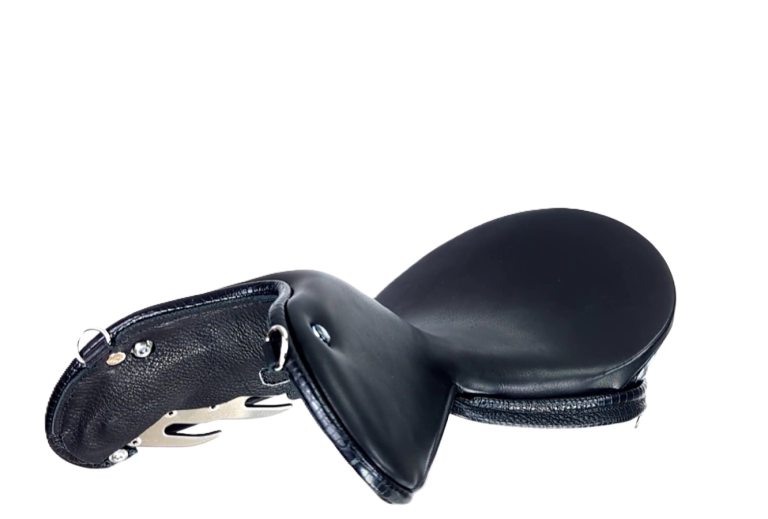
With such a broad range of disciplines, rider builds and riding preferences to accommodate, WOW has developed an extensive selection of seat styles — each with its own character, depth and intended purpose. The seat style influences how the rider sits within the saddle, how secure they feel, and how effectively they can apply aids and absorb movement — making it one of the most personal choices in the entire WOW system. What suits one rider beautifully may feel entirely wrong to another, even on the same horse, which is why trying seats as part of the fitting process with Emma is so valuable. The following overview introduces the most commonly available seat styles and the riders and disciplines they are most likely to suit.
Academic
The Academic seat is designed for classical dressage riding and the more traditional equestrian disciplines where a deep, secure and upright position is paramount. With a pronounced deeper centre and supportive shape, it encourages the pelvis into the correct neutral position and allows the rider to sit quietly and independently through the movement without relying on grip or tension to maintain stability.
The Academic is particularly well suited to riders who are working towards or already competing at the higher levels of dressage, or those following a classical training philosophy where the quality and stillness of the seat is as important as the aids themselves.
This Seat will suit the Classical Dressage Rider that wants more room in the seat without constriction. The feel is a jumping seat in that it has a flatter middle that allows the rider to move their seat backwards or forwards more so than would be achievable in say an Extra Deep seat. The Academic seat benefits from a much higher cantle than the Flat Seat and therefore gives the support one would expect for dressage.
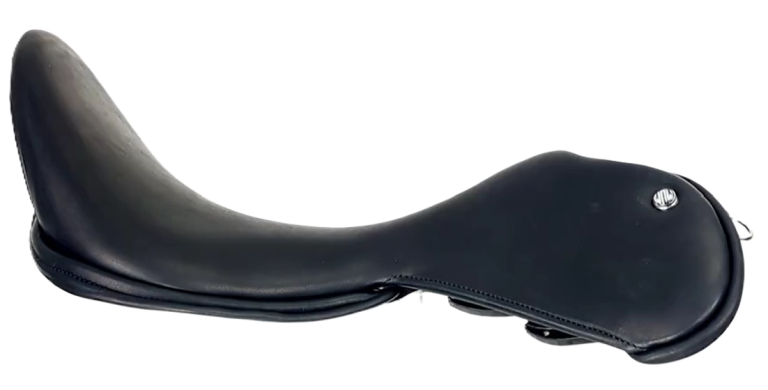
Deep
The Deep seat offers a supportive, secure ride that suits a wide range of riders and disciplines — making it one of the most popular choices across the WOW range. The deeper bowl encourages the rider to sit centrally and comfortably within the saddle, providing a reassuring level of security without the more extreme depth of the Academic or Extra Deep options.
It is a versatile choice that works well for everyday schooling, hacking and general competition work, and suits riders who want more support than a flatter seat provides without feeling locked into the saddle.
Has a round high cantle with belly to give support and aid position. Used by dressage riders and show jumpers alike because the seat give a secure central feel.
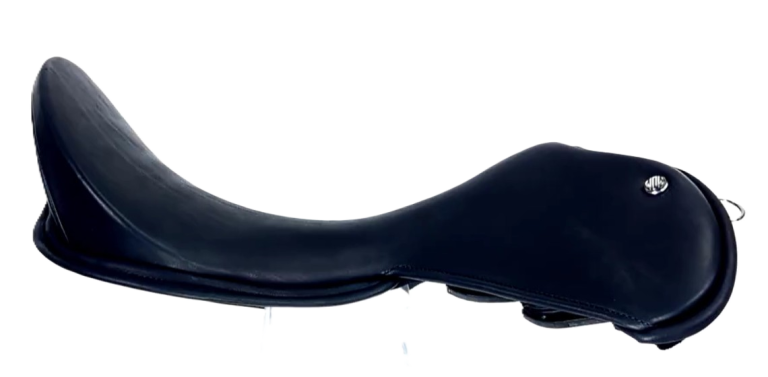
Extra Deep
The Extra Deep seat takes the security and support of the Deep seat further still, with a more pronounced bowl that holds the rider firmly in position through demanding or unpredictable work. It is particularly well suited to riders who are less secure in their position, those with a looser or less established seat, or those riding young, strong or unpredictable horses where an additional degree of security is genuinely valuable. The Extra Deep is also a popular choice for riders with back, hip or pelvis issues where the deeper, more supported position reduces fatigue and discomfort over longer rides.
Has a very high round cantle with belly to give a deep supportive seat used mainly by dressage riders.
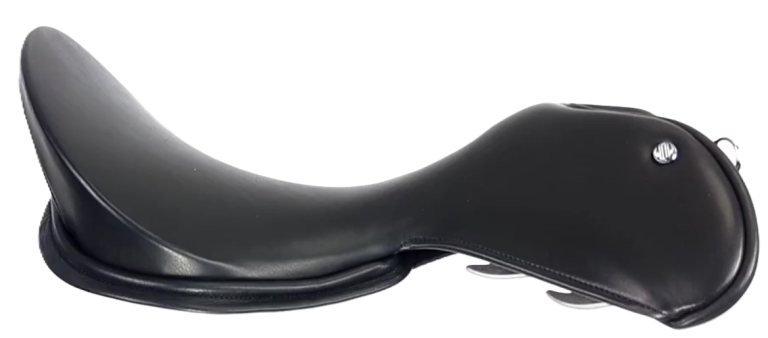
Stock
The Stock seat shares the general profile of the Extra Deep Stock but with a more moderate depth, offering the open hip angle and longer thigh positioning of a stock design without the full depth of its counterpart. It suits riders who prefer a more open, forward hip position — those working in Western disciplines, endurance riders covering long distances, or those whose build means a standard dressage depth places unnecessary tension through the hip and thigh. A comfortable, practical seat for riders who spend long hours in the saddle.
Has a wider seat with more supportive ‘wrap around’ cantle and generous cup shape allowing more rotation of the pelvis with a support much further back that traditional saddles. Stock type seats allow more space and therefore accommodate a bigger rider in a smaller saddle i.e. a 17" Stock feels more like a 18" to sit in. These are brilliant for riders with hip abduction problems as the seat allows the rider to sit more on their bottoms and open the hip relieving the strain on gluteus medius, gluteus minimus, and the tensor fascia latae.
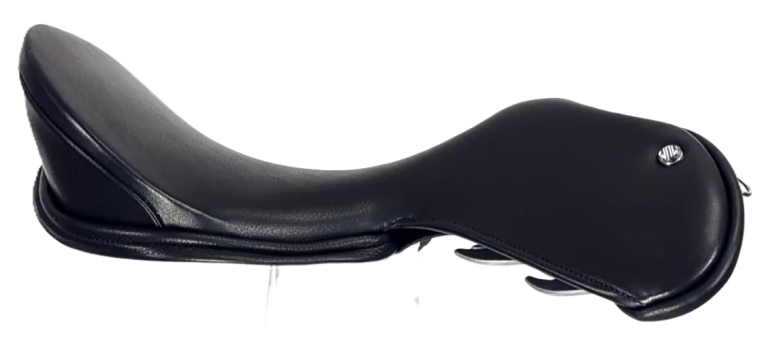
Extra Deep Stock
The Extra Deep Stock combines the depth and security of the Extra Deep seat with the longer, flatter thigh block positioning of a stock saddle design. This makes it particularly well suited to Western-influenced riding styles, endurance work, or riders who prefer a more open hip angle alongside the security of a deep seat. It offers all the support of the Extra Deep option while accommodating a slightly different leg and thigh position — a useful combination for riders whose discipline or build does not sit naturally within a conventional deeper dressage profile.
Exactly like the Stock Seat this seat has a wider seat with more supportive ‘wrap around’ cantle and generous cup shape allowing more rotation of the pelvis with a support much further back that traditional saddles. The Extra Deep Stock Cantle is rounded in shape to mimic that of the Extra Deep and therefore looks very similar when on the horse whilst feeling totally different. Stock type seats allow more space and therefore accommodate a bigger rider in a smaller saddle i.e. a 17" Stock feels more like a 18" to sit in.
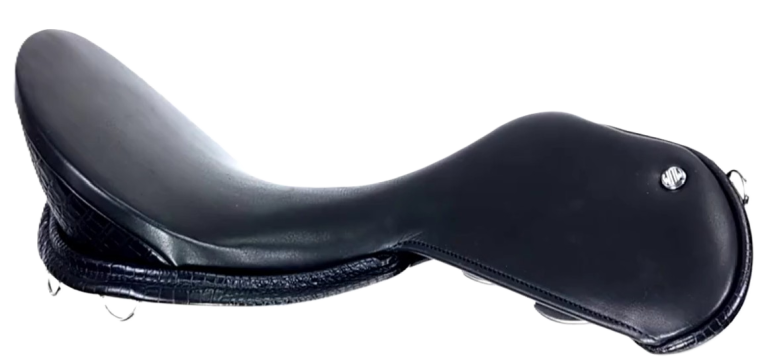
Cross Country
The Cross Country seat is designed specifically for the demands of riding at pace over varied terrain and solid obstacles, where security, balance and freedom of movement must coexist. The shape supports the more dynamic, forward and varied positions that cross country demands — from the galloping position between fences to the more upright, balanced approach to a technical combination — without restricting the rider's ability to move with the horse across all of them. It is a seat built for riders who need the saddle to work with them across changing conditions rather than holding them in a fixed position, and suits those competing in eventing or those who spend significant time in open country at pace.
The Cross Country seat has a sloped cantle with no belly support and is shaped in such a way that even sitting right back on the cantle does not make the rider feel pushed away from the horse.
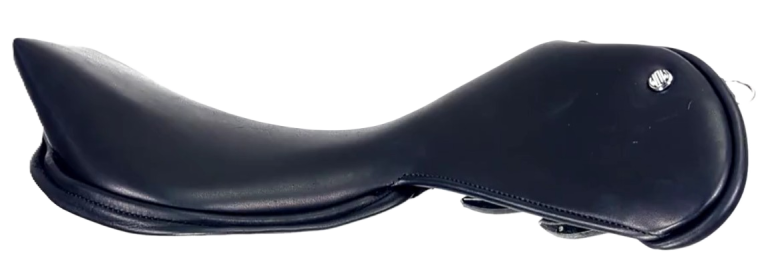
Shallow
The Shallow seat sits between the Flat and the standard Deep options, offering a modest degree of depth that provides some positional guidance without the more pronounced containment of a deeper seat. It is a useful middle ground for riders who find a Flat seat too open and unsupported but feel restricted or tipped back by a full Deep seat — those whose build, riding style or discipline places them in the gap between the two. The Shallow is also a practical choice for riders transitioning between different seat depths, or those working with a fitter to gradually develop a more independent, secure position over time.
Has a round shallow cantle with belly to give support and aid position but gives enough room to slide back or over the cantle when jumping. It has the feel of the Deep seat without the height of the cantle behind.
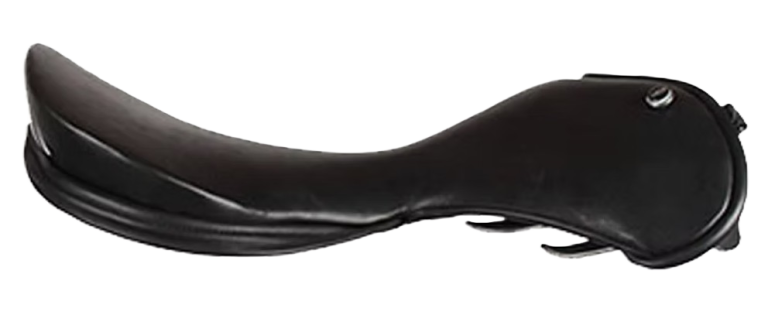
Flat
The Flat seat offers minimal depth and a more open, unrestricted feel that suits riders with a balanced, established position who prefer to feel the horse's movement directly beneath them without the containment of a deeper bowl. It is a popular choice among experienced riders across a range of disciplines — particularly those who have developed sufficient security and independence in their seat to ride effectively without the guidance of a more supportive shape. The Flat seat also works well for riders with a shorter femur or a tendency to be tipped forward by deeper seats, where the flatter profile allows the pelvis to find its own natural, balanced position.
You can't slide back in a flat seat – no matter what’s in the name. It has no belly and is slimmer in the area the rider sits than a continental seat and has a slightly deeper more upright cantle than our XC ( cross country seat) giving more support. It is often preferred by smaller riders for many disciplines that want support without width.
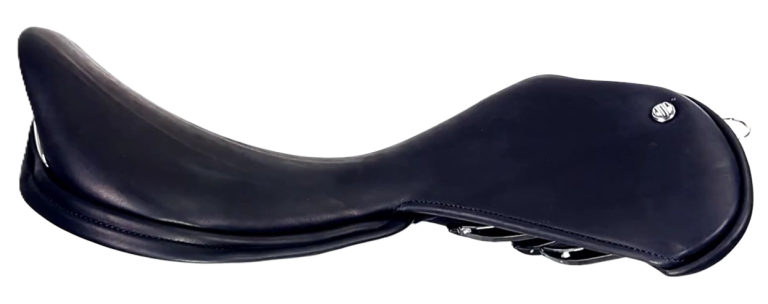
Extra Flat
The Extra Flat seat takes the minimal depth of the Flat seat further, offering the closest, most unrestricted connection between rider and horse in the WOW range. It is designed for riders with a highly established, independent seat who want maximum feel and minimal structure — those for whom even a standard Flat seat introduces more shape than they want or need. The Extra Flat is most commonly chosen by advanced riders in disciplines where absolute feel and lightness of seat are the priority, and is not generally recommended for riders who are still developing their balance and security as the reduced depth offers very little positional guidance.
Has a softer line to the cantle and small belly which is similar to a lot of the French style jumping saddles. This allows the rider to sit further back in the seat without getting pushed away from the horse when necessary as it has minimum support at the sides of the seat.
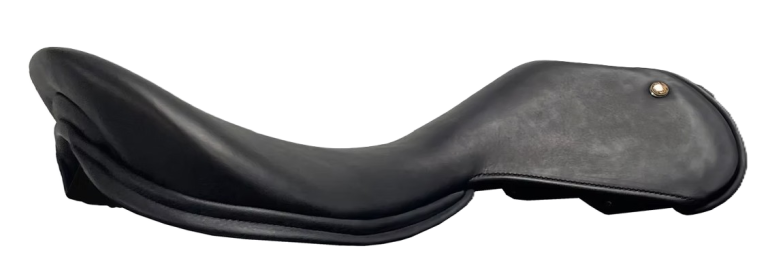
Grand Prix
The Grand Prix seat is developed for riders competing at the upper levels of dressage, where absolute precision in the position and the subtlety of the aids are equally important. It combines a supportive depth with a refined shape that allows the advanced rider to move freely with the horse and apply the most delicate of influences without restriction. The Grand Prix seat is designed around the needs of a rider with a well-established, independent position — it rewards correct technique and works in harmony with it rather than compensating for positional weaknesses. For those at the level it is designed for, it is an exceptional seat.
Like the Academic seat this Seat will suit the Classical Dressage Rider that wants more room in the seat without constriction. The difference is the cantle is from a Deep seat whereas the Academic is from a Extra Deep. This gives a slightly lower and more round appearance that some customers prefer. The feel is like a jumping seat in that it has a flatter middle that allows the rider to move their seat backwards or forwards more so than would be achievable in say an Extra Deep seat.
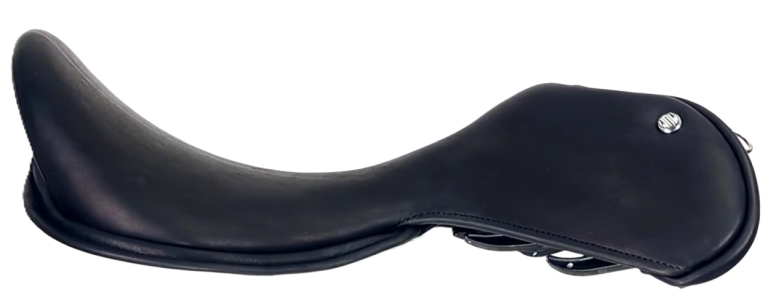
Continental
The Continental seat has a subtly different shape from the standard Flat, with a slightly more defined twist and a feel that sits between the open freedom of the Flat and the contained security of the Deep. It is a refined, elegant seat that suits experienced riders working in disciplines where a close, tactile connection between rider and horse is valued — particularly those in more traditional or classical disciplines who want a feeling of being close to the horse without the restriction of a deeper seat. The Continental is also a popular choice for lighter, more slightly built riders for whom the depth of a standard or deep seat can feel disproportionate.
This seat is derived from the Cross Country seat. The seat has a belly which makes the back of the seat wider and flatter which gives more support. This is a very comfortable seat that you could ride all day in, jump, hunt and show in.
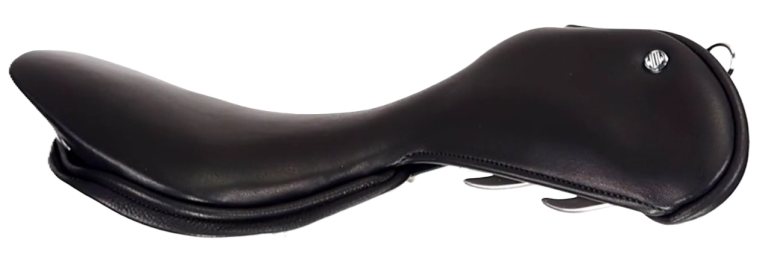
The panels are where that foundation meets the horse. Sitting between the saddle and the back, the panels are responsible for distributing the rider's weight evenly, maintaining clearance along the spine, and adapting to the individual shape of the horse beneath them — making them one of the most important and most personalised elements of the entire system.
Rear Gusset Depth
The gusset at the rear of the panel determines how much fill sits at the back of the saddle, influencing the balance and levelness of the fit across the horse's back.
WOW offers three gusset sizes — 1.5, 2 and 2.5 — allowing the rear of the panel to be matched precisely to the horse's conformation.
A correctly sized gusset ensures the saddle sits level from front to back rather than tipping forward or sitting high at the cantle, which has a direct effect on both the horse's comfort and the rider's position.
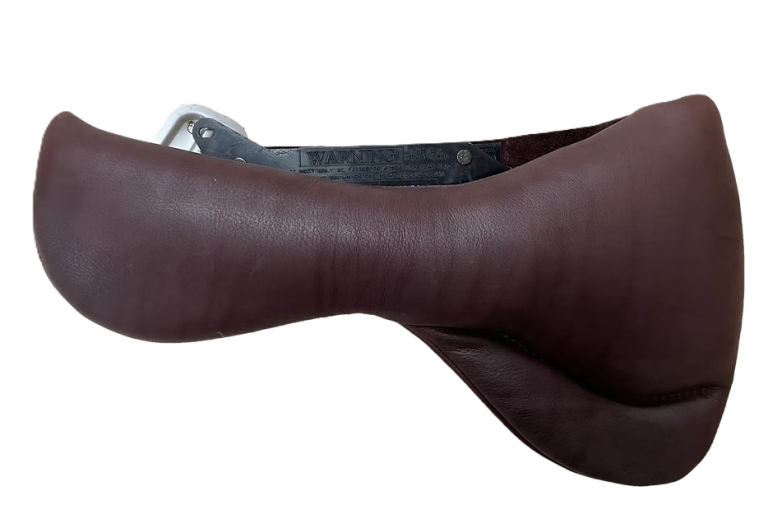
Panel Width — Gullet Width
When the panels are fitted to the seat, the distance between them creates the gullet channel that runs the length of the saddle over the horse's spine. WOW panels are available in a range of gullet widths — from narrower options through to wide gullet (WG) and extra wide gullet (XWG) — allowing the channel to be matched precisely to the width of the horse's back and the clearance required over the spine and ligaments running either side of it.
Getting the gullet width right is fundamental to the welfare of the fit. A gullet that is too narrow will place direct pressure on the spine and the soft tissue structures alongside it, restricting movement and causing discomfort that will show in the horse's way of going long before it becomes visible as a physical problem. A gullet that is too wide will allow the saddle to drop towards the spine under the rider's weight, creating the very contact it was intended to avoid. The correct width maintains consistent, even clearance throughout — in halt, in movement, and under a rider — which is why gullet width is one of the first measurements assessed as part of the WOW fitting process.
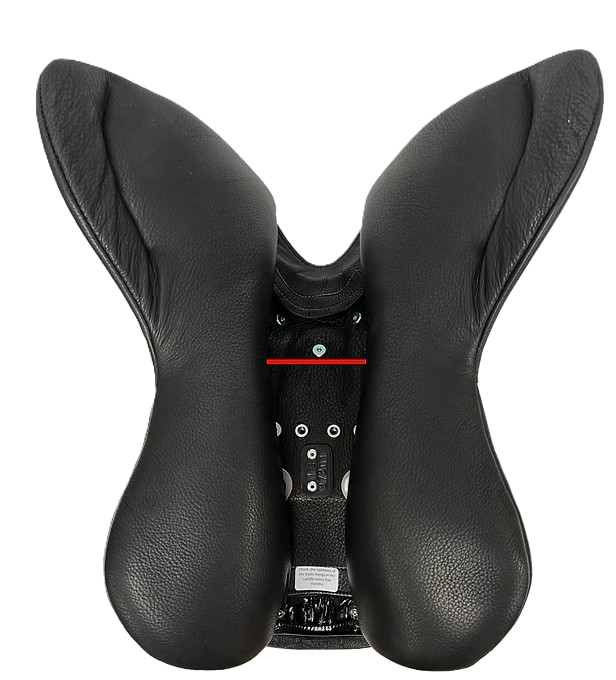
Panel Length — Short and Extended Forward
The length of the panel plays an important role in ensuring the saddle's bearing surface sits correctly on the horse's back — and crucially, that no weight from the saddle or rider travels beyond the last thoracic vertebra, T18. Beyond this point lies the lumbar region, which is not supported by the ribcage and is not designed to bear load.
A panel that extends too far back places pressure on an area that can neither absorb nor distribute it effectively, with consequences for comfort, movement and long-term soundness.
The short panel is designed for close-coupled horses with a naturally shorter back, where the available saddle-bearing surface is limited. Rather than forcing a smaller seat size onto the rider to keep the panel within the correct area of the back, the short panel allows a larger seat size to a shorter-backed horse — keeping the rider comfortable without compromising the horse's welfare by pushing the bearing surface into the lumbar region.
The extended forward panel works in the opposite direction, adding length at the front of the panel rather than reducing it at the back. This suits larger horses with a longer back and more available bearing surface, where a rider requiring a smaller seat size might otherwise result in a panel that does not extend far enough forward to distribute weight optimally. The extended forward panel ensures the bearing surface is used fully and correctly, regardless of the seat size the rider needs.
In both cases the principle is the same — the panel length is selected to serve the horse's anatomy first, with the rider's seat size accommodated within that framework rather than the other way around.
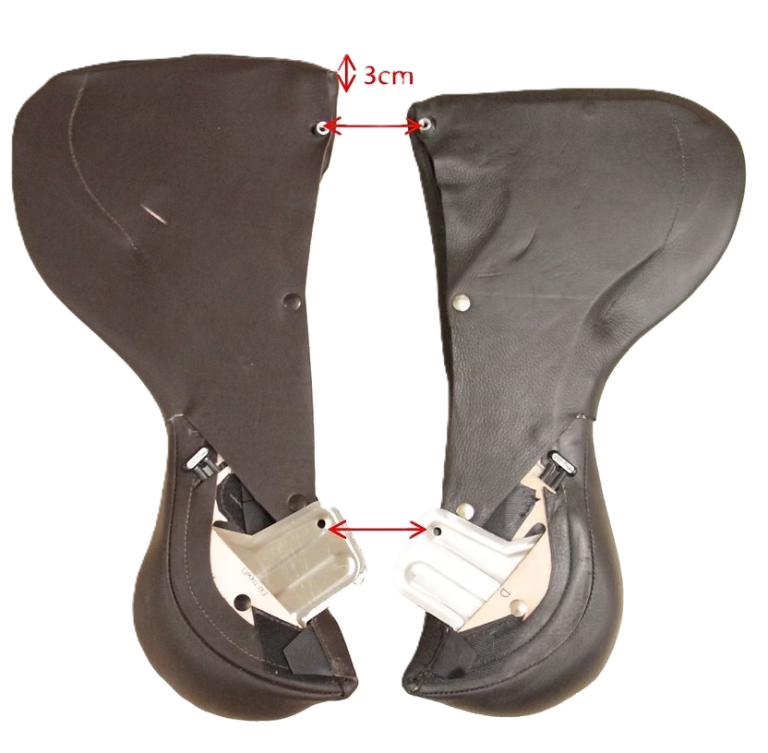
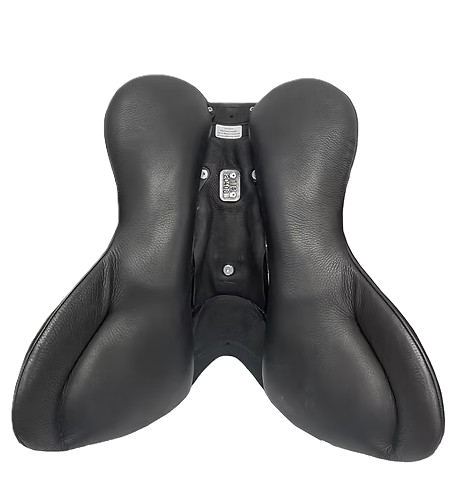
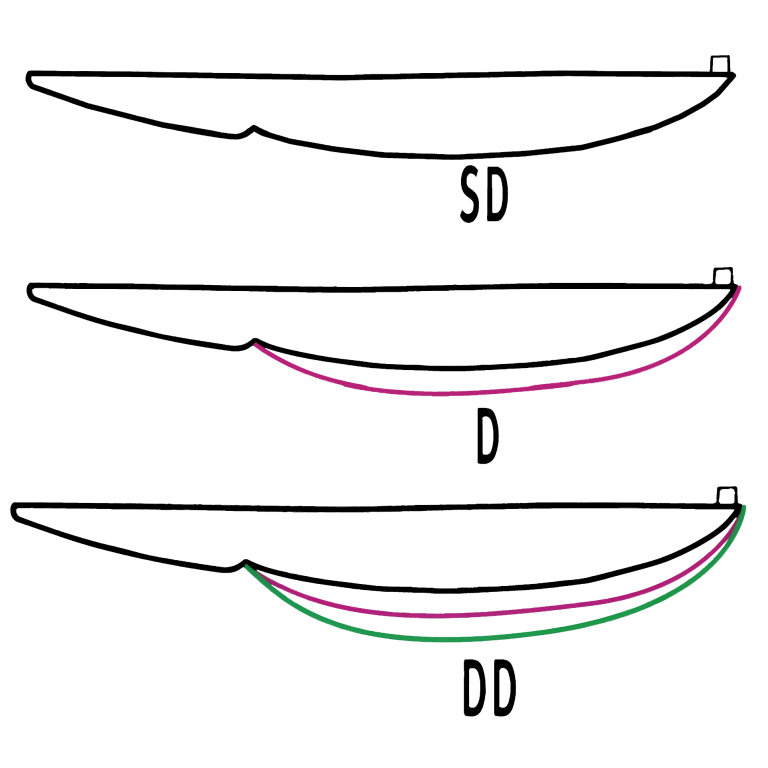
Front Panel Depth — D, DD and SD
The depth of the front of the panel — available in D, DD and SD profiles — determines the degree of wither and spine clearance at the front of the saddle.
A D panel provides a standard depth of clearance, DD panel offers a deeper channel for horses that require more significant wither or spine relief, and SD panel provides a shallower depth suited to horses with a flatter wither profile where a standard or deep channel would create instability.
Selecting the correct front depth is fundamental to ensuring the saddle never contacts the spine or puts unwanted pressure on the wither regardless of the rider's weight in the seat.
Tabbed Panel
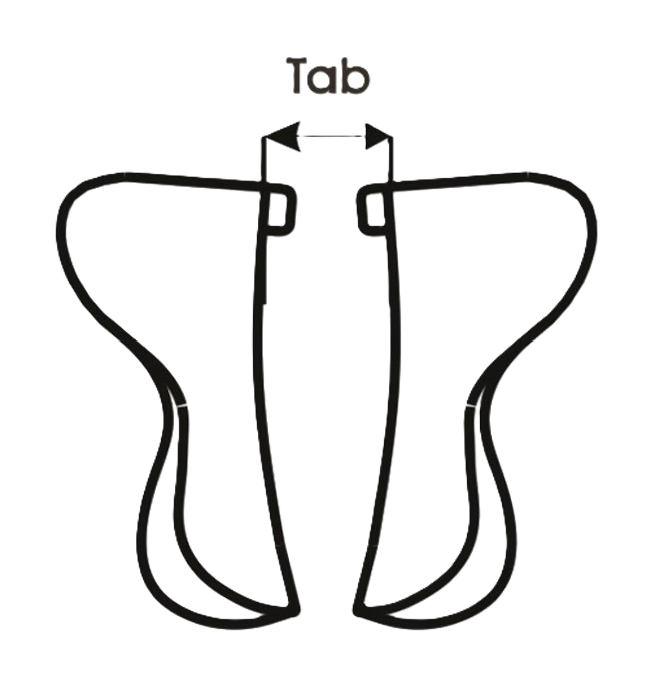
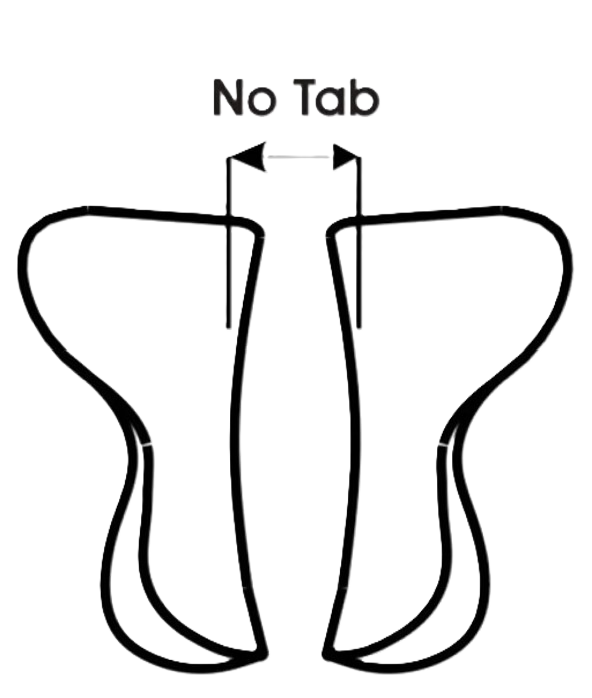
The tabbed panel features an additional tab on the inner face of each panel, positioned to push the panels further apart at the front of the saddle and create a wider gullet channel in the wither area.
This is a specialist option for horses with a very wide wither where the standard panel configuration does not provide sufficient clearance, allowing the gullet to be opened beyond what would otherwise be achievable without compromising the fit or balance of the saddle elsewhere.
For the right horse, the tabbed panel makes the difference between a saddle that clears the wither correctly and one that simply cannot — and in those cases, it is an indispensable part of the WOW system's ability to fit horses that more conventional saddles struggle to accommodate.
Flair and Flair MK2
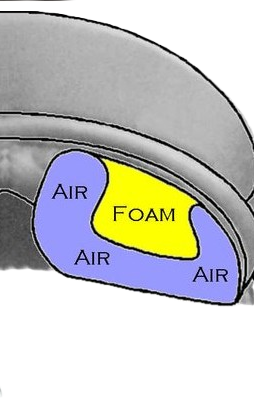
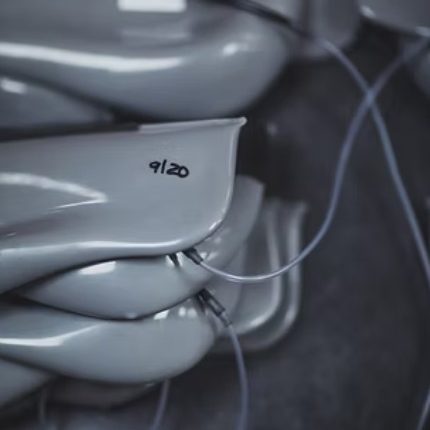
Flair is an air-inflatable panel system that allows the fit of the saddle to be adjusted after fitting — without removing the saddle from the horse.
Air can be added or removed from each panel independently through small valves, allowing the balance, levelness and pressure distribution to be fine-tuned with a precision that traditional flocked panels cannot match.
This is particularly valuable for horses whose shape changes significantly through a season, those in hard work whose musculature develops quickly, or horses recovering from injury or asymmetry where gradual, incremental adjustment is needed over time.
Flair MK2 is the next generation of the system, offering the same adjustability as the original Flair with refinements to the air chamber design that improve pressure distribution further and allow even more precise adjustment across the bearing surface.
For horses and riders who need the highest level of ongoing adaptability in their saddle fit, Flair MK2 represents the current pinnacle of what the WOW panel system can offer.
Bigger Bearing Surface (BBS) Panels
As the name suggests, BBS panels offer a larger bearing surface than the standard WOW panel, extending the area of contact between the saddle and the horse's back to distribute the rider's weight across a greater surface area.
This reduction in pounds per square inch across the back can make a meaningful difference to horses that are particularly sensitive through the back, those carrying a heavier rider, or those whose conformation means that concentrating load over a smaller area creates discomfort or restricts movement.
BBS panels are also a useful consideration for horses that are developing their musculature, where a broader, more even distribution of weight supports the back through the work rather than placing localised demand on areas that are still strengthening.
Stitchline and No Stitchline Panels
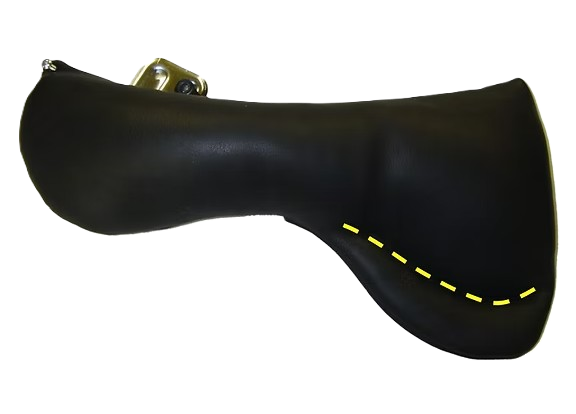
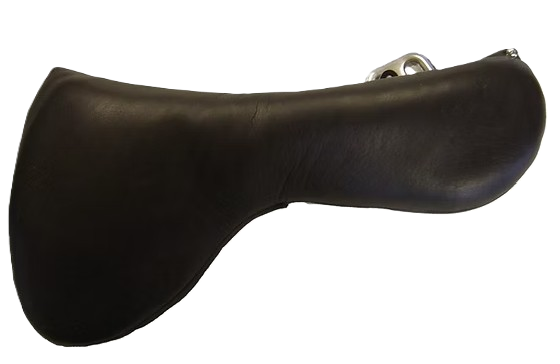
The stitchline — also referred to as a tapered panel — refers to a seam that runs along the inner edge of the panel, which causes the panel to taper inward as it meets the horse's side. This taper allows the panel to follow and blend into the contour of the ribcage, making stitchline panels particularly well suited to horses with well-developed trapezius muscles, a defined wither, or hollows alongside the wither where a flat panel edge would leave a gap rather than maintaining consistent contact.
A no stitchline panel — or non-tapered panel — has no inward taper, presenting a flatter, more uniform surface. This suits horses with a rounder, smoother back profile where the panel needs to sit evenly across the back without any inward draw at the edges.
Selecting the correct option depends entirely on the individual horse's conformation — and it is one of the details that makes a meaningful difference to how evenly the saddle bears across the back.
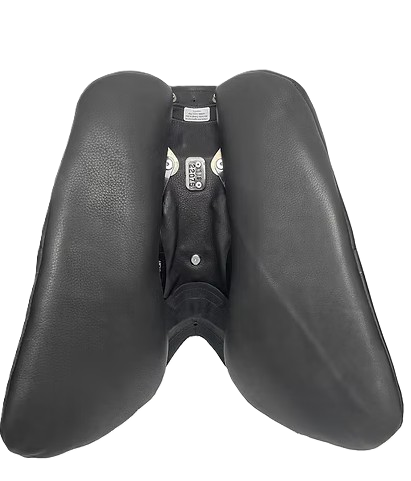
The headplate is the component that determines the width of the saddle at the pommel — and getting it right is the essential first step in ensuring the saddle sits correctly on the horse's back without placing any pressure on the wither or spine.
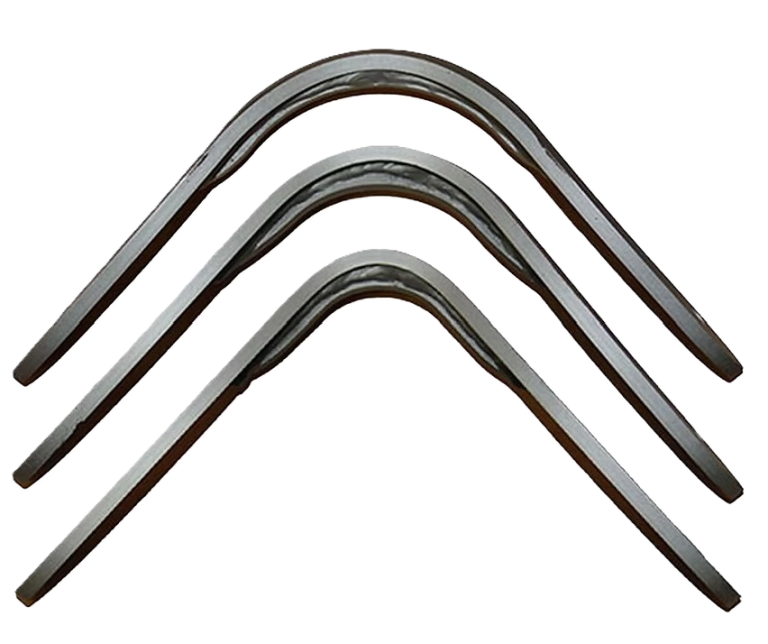
The headplate sits at the front of the WOW saddle and determines both the width and the shape of the pommel channel — the two factors that together govern whether the saddle clears the wither correctly and sits in balanced, even contact on either side of the spine. Because the headplate is a separate, interchangeable component in the WOW system, it can be changed independently of the rest of the saddle as the horse's shape changes over time, making it one of the most practically valuable aspects of the entire system.
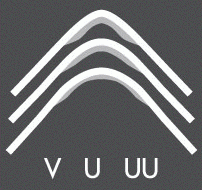
Headplate Shape — U, V and UU
WOW headplates are available in three fundamental shapes — U, V and UU — each designed to match a different wither and shoulder profile.
The U shaped headplate has a rounded, curved profile that mirrors the shape of a rounder, more muscled shoulder and wither. It suits horses with well-developed trapezius muscles where the channel needs to follow a broader, more gradual curve away from the spine — sitting evenly on either side without bridging over the muscle or digging into it at the edges. The U shape is commonly found on native breeds, cobs, warmbloods and horses with a naturally round, well-padded topline.
The V shaped headplate has a more angular, narrower profile that follows the sharper, more defined wither of a finer-built horse. Where a U headplate would sit too wide and drop towards the spine on a horse with a prominent wither and less muscle coverage, the V shape follows the natural line of the shoulder more closely, maintaining clearance without the pommel sitting proud. Thoroughbreds, sport horses and horses with a high or narrow wither typically suit a V shaped headplate.
The UU headplate is a wider version of the U shape, designed for horses with an exceptionally broad, flat back and very little wither definition — where even a standard U profile would be too narrow to sit correctly. Cobs and native types carrying significant muscle or condition, or horses with a particularly wide and flat shoulder, are the most common candidates for a UU headplate.
Headplate Angle
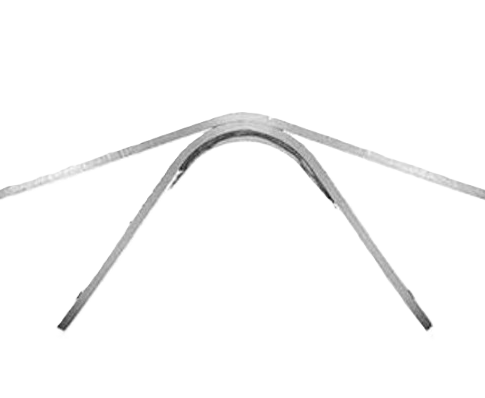
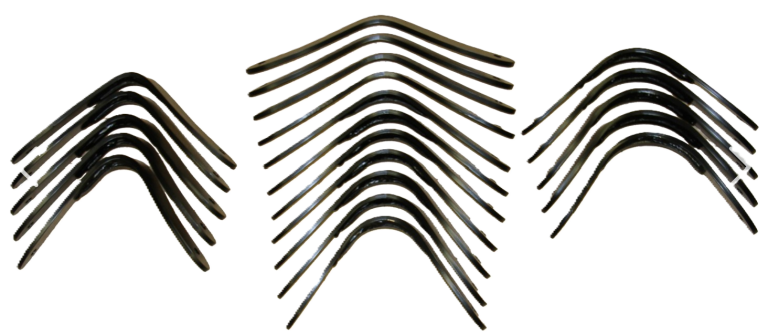
In addition to shape, the headplate is also specified by its angle — the degree to which the arms of the headplate splay outward from the central arch. The angle is measured in degrees and determines how steeply or gradually the headplate descends from the pommel onto the horse's back on either side of the wither.
A lower degree angle suits horses with a flatter, wider shoulder where the saddle needs to spread more gradually outward from the spine. A higher degree angle suits a horse with a steeper, more prominent shoulder slope, where the headplate needs to follow a sharper descent away from the wither to sit in even contact rather than bridging or rocking.
Selecting the correct angle is as important as selecting the correct shape — a headplate that is the right width but the wrong angle will not sit evenly on the back, and no amount of panel adjustment can fully compensate for a headplate that does not follow the shape of the shoulder beneath it. The angle and shape work together as a system, and both are assessed carefully as part of every WOW fitting.
Why the Headplate Matters
A correctly fitted headplate achieves three things simultaneously — it clears the wither and spine without pressure, it allows the shoulder to move freely beneath the front of the saddle without restriction, and it provides a stable, level foundation from which the panels can do their job effectively. If the headplate is wrong, every other component of the saddle is compromised regardless of how well it has been selected. It is, in the truest sense, where every WOW fitting begins.
The flap is the component that most directly influences the rider's position, security and feel — and in the WOW system, it can be selected and changed independently to ensure that the saddle works as well for the person in the saddle as it does for the horse beneath it.
WOW offers an extensive range of flap designs to suit different disciplines, rider builds and riding styles — and because the flap is fully interchangeable within the WOW system, it can be changed as the rider's needs evolve without replacing the entire saddle. Selecting the right flap is as much about the individual rider as it is about the discipline, and Emma will consider leg length, thigh angle, riding style and the type of work being done when recommending the most appropriate option.
General Purpose and All Round Flaps
The general purpose flap is the most versatile option in the WOW range, designed to suit riders who work across multiple disciplines or who do not need the more specialised positioning of a dedicated dressage or jumping flap.
With a moderate cut and a balanced knee roll position, it offers a secure, workable leg position for schooling, hacking and light competition work without committing the rider to the more extreme leg angles of a specialist flap. A practical, adaptable choice for the everyday rider.
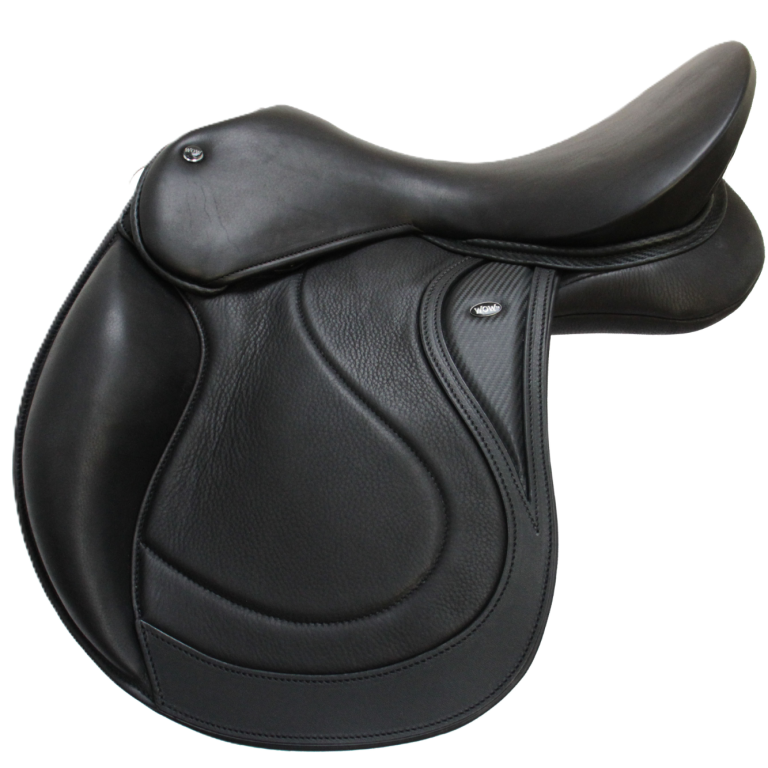
Dressage Flaps
Dressage flaps are cut longer and straighter than a general purpose flap, encouraging the longer, more vertical leg position that dressage demands. The straighter cut allows the leg to hang freely beneath the hip without the flap pushing the knee forward, supporting an aligned, classical position that allows effective, subtle aids without restriction.
Several dressage flap options are available within the WOW range — varying in length, block position and degree of cut — to suit riders from those working at introductory level through to those competing at the higher levels where a close, refined contact between leg and horse is essential.
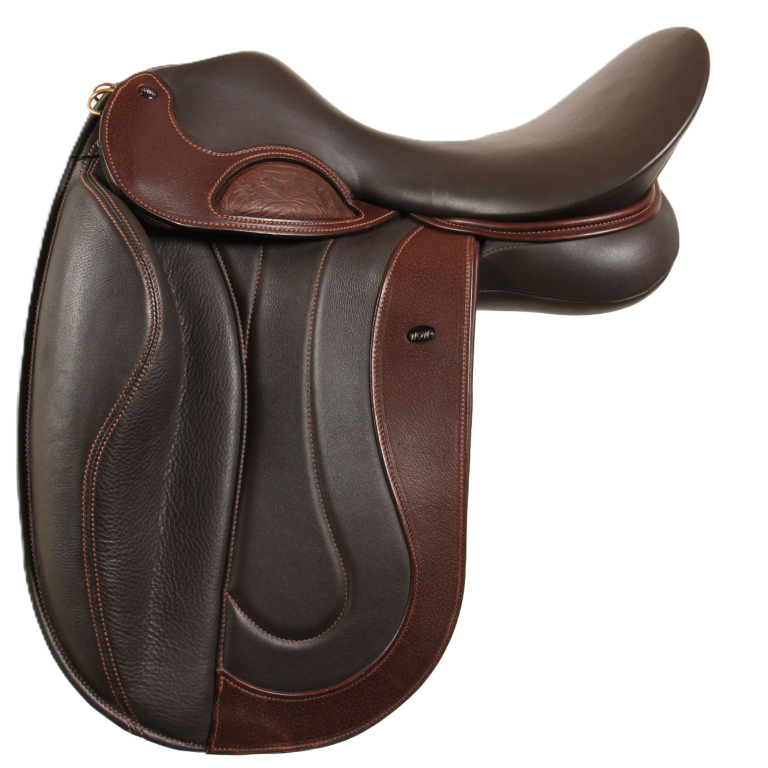
Jumping and Cross Country Flaps
Jumping flaps are cut with a more forward angle to accommodate the shorter stirrup length and more inclined leg position of jumping work. The forward cut allows the knee to sit correctly over the knee roll without the flap pulling the leg back or creating an unnatural angle through the hip, knee and ankle.
As with the dressage range, several variations exist within the jumping flap options to suit different degrees of forward position — from those working over poles and small courses through to riders covering cross country at speed who need maximum security and freedom of movement in equal measure.
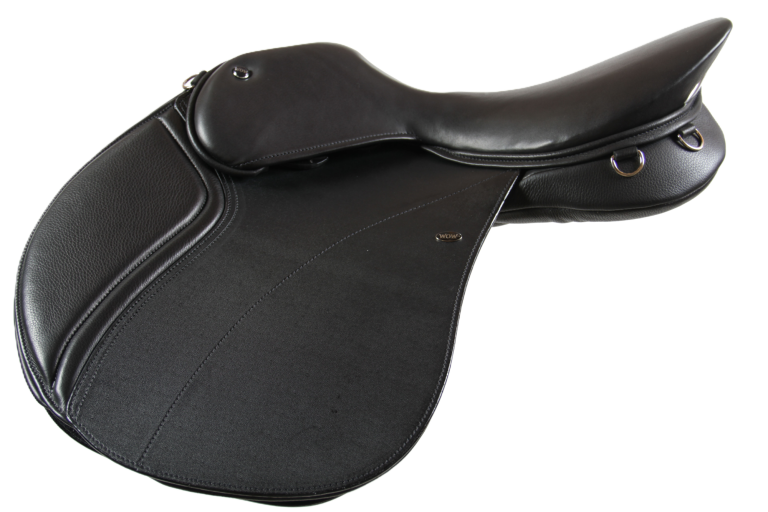
Equitana Flaps
The Equitana is one of the most popular flap options in the WOW range and is particularly well regarded among dressage riders. Featuring a distinctive forward-cut top with a straighter lower section, the Equitana places the knee in a secure, forward position while allowing the lower leg to hang freely and independently beneath it — a combination that many riders find encourages a more stable, effective leg position than a purely straight or purely forward flap can offer.
The Equitana suits riders with a longer thigh in particular, where the forward cut at the top of the flap creates the space needed for the hip and knee to sit correctly without tension.
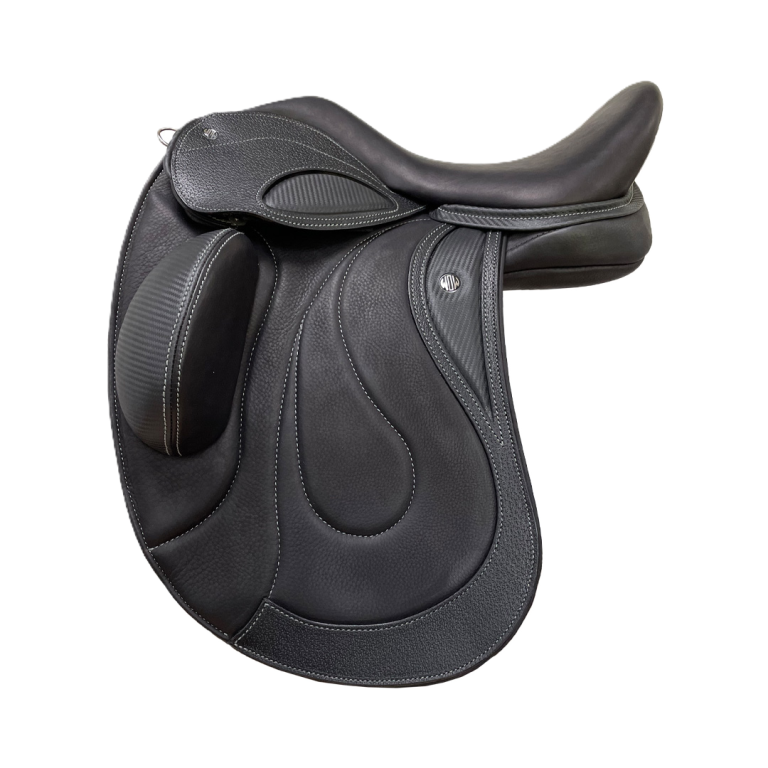
Continental Flaps
The continental flap offers a more traditional, closer-cut profile suited to riders who prefer a less structured flap with minimal knee roll. It is a popular choice for those who favour a lighter, more independent leg position — particularly riders with a well-established position who do not rely on the support of a prominent block to maintain their alignment.
The continental cut also suits shorter-legged riders or those who find a more forward or longer flap creates too much material between leg and horse.
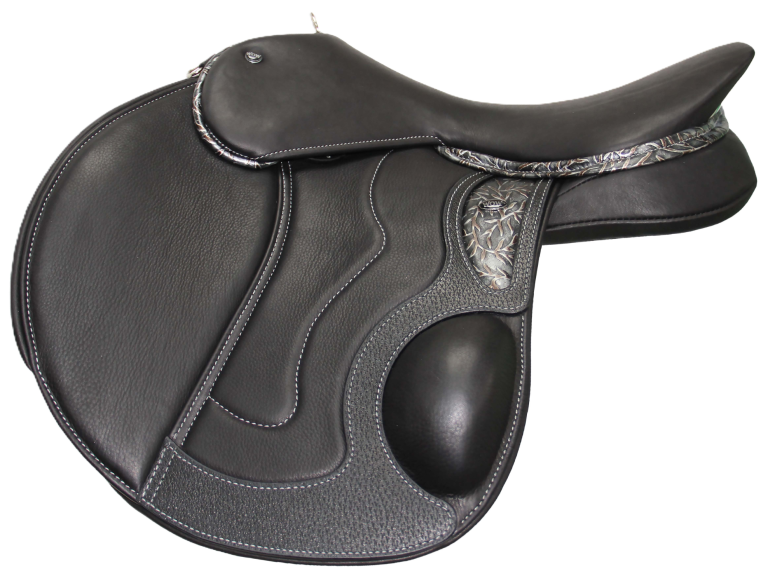
Custom Flap Variations
One of the less well-known but genuinely valuable aspects of the WOW flap system is the ability to customise the angle and length of the flap beyond the standard options.
For riders whose leg position, hip angle or thigh length falls outside the range that a standard flap accommodates comfortably, WOW can produce flaps with the top of the flap angled further back or further forward than usual — allowing the knee roll and upper flap to be positioned exactly where the rider's leg naturally wants to sit rather than asking the rider to adapt their position to suit the saddle.
Similarly, flaps can be specified in extra long or extra short versions for riders whose leg length means standard flap lengths leave too much or too little material below the knee.
These custom options mean that a WOW saddle can be made to work for riders whose build has historically made saddle fitting difficult — a significant advantage that is often overlooked when comparing WOW to conventional saddles.
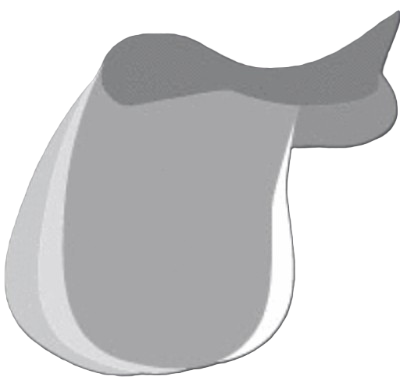
Movable Blocks
Many WOW flaps are available with movable knee and thigh blocks that can be repositioned on the flap to suit the individual rider.
Rather than being fixed in a single position, movable blocks can be adjusted forward, back, up or down to place support exactly where the rider's knee and thigh require it — a level of personalisation that fixed-block saddles simply cannot offer.
For riders whose position is still developing, or those returning to riding after injury or time away, the ability to fine-tune block position without changing the entire flap is both practical and genuinely useful.
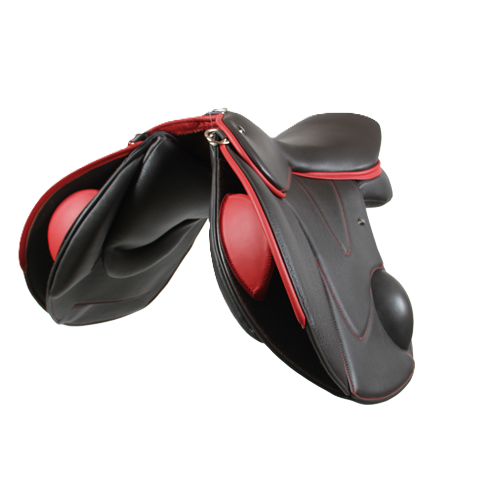
Under Flap Blocks
Under flap blocks sit beneath the main flap rather than on its surface, providing a more subtle degree of support that is felt through the flap leather rather than against the rider's leg directly.
This creates a less prominent profile than a surface block while still offering the guidance and security that many riders benefit from — making under flap blocks a popular choice for riders who find full surface blocks too restrictive or who prefer a closer, less structured feel against the leg while retaining some positional support.
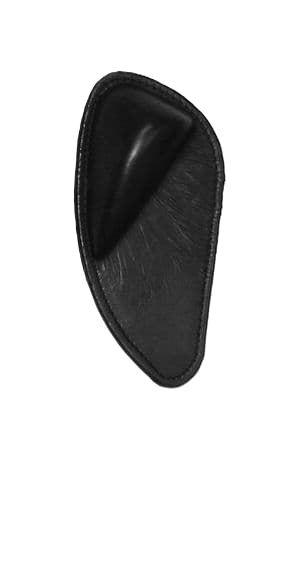
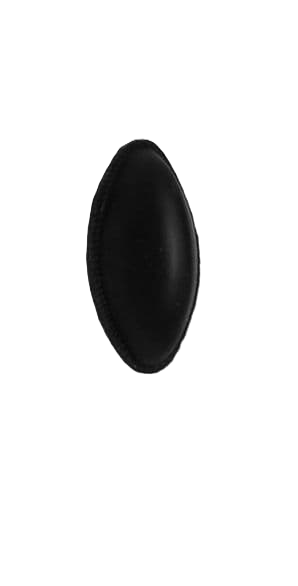
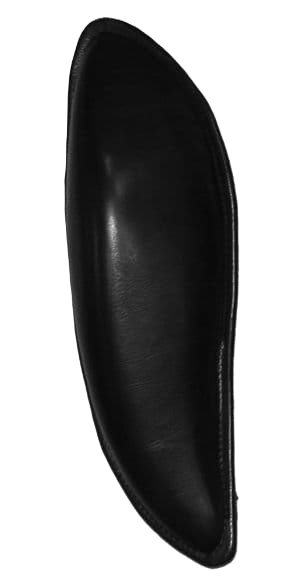
In the WOW system, girth strap configuration is a component choice in its own right — and one that deserves as much careful consideration as any other part of the saddle.
Because WOW saddles offer a range of girthing configurations, the straps can be positioned and specified to work with the individual horse's girth groove rather than against it, ensuring the saddle is held correctly in place and stays where it was fitted during work.
A saddle that is pulled forward, pushed back or twisted by an ill-matched girth configuration cannot perform as intended regardless of how well every other component has been selected — which is why girthing configuration is a fundamental part of every WOW fitting rather than a finishing detail.
A System, Not a Standard
What sets the WOW approach to girthing apart from conventional saddle design is the recognition that these components are not add-ons or afterthoughts — they are integral parts of a fitting system that takes the relationship between saddle, girth and horse as seriously as any other element of the fit. Used individually or in combination, the Double V straps, military straps, foregirth, point strap and back balance strap give Emma the tools to address almost any girthing challenge a horse's conformation presents — ensuring that the saddle not only fits correctly when placed on the horse's back, but stays that way throughout every stride of every ride.
One of the most distinctive aspects of the WOW system is the recognition that no single girthing configuration suits every horse — and that getting it wrong undermines everything else the saddle is designed to achieve. Rather than offering a fixed girthing arrangement as most conventional saddle manufacturers do, WOW has developed a range of dedicated girthing components that can be specified, combined and changed to suit the individual horse's anatomy, girth groove position and way of going.
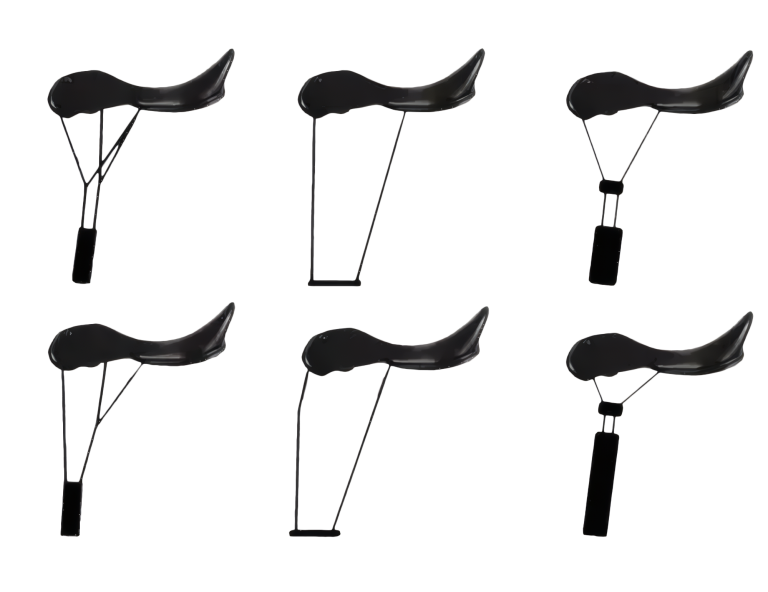
WOW Double V Girth Straps
The WOW Double V girth straps are the most commonly used configuration across the range, featuring two straps that spread from the tree in a V formation to create a stable, balanced attachment on either side of the horse's belly.
The spreading angle of the V works with the natural shape of the ribcage to keep the saddle centred and resistant to lateral movement, while allowing the girth to drop into the horse's natural girth groove without pulling the saddle out of position.
The Double V suits the majority of horses in general work and is the starting point from which other configurations are considered when the standard arrangement does not provide sufficient stability or correct positioning for a particular horse.
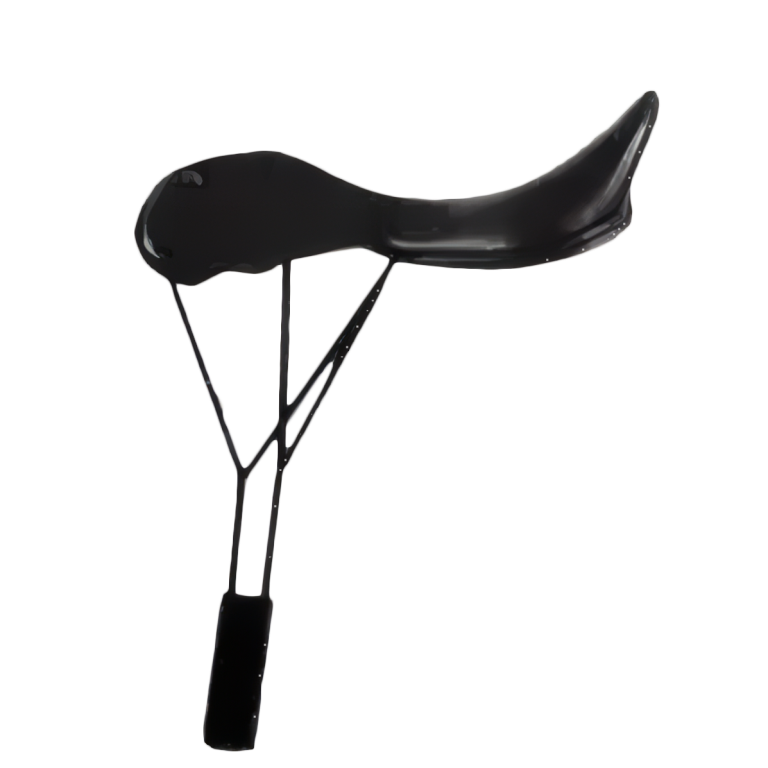
Military Girth Straps
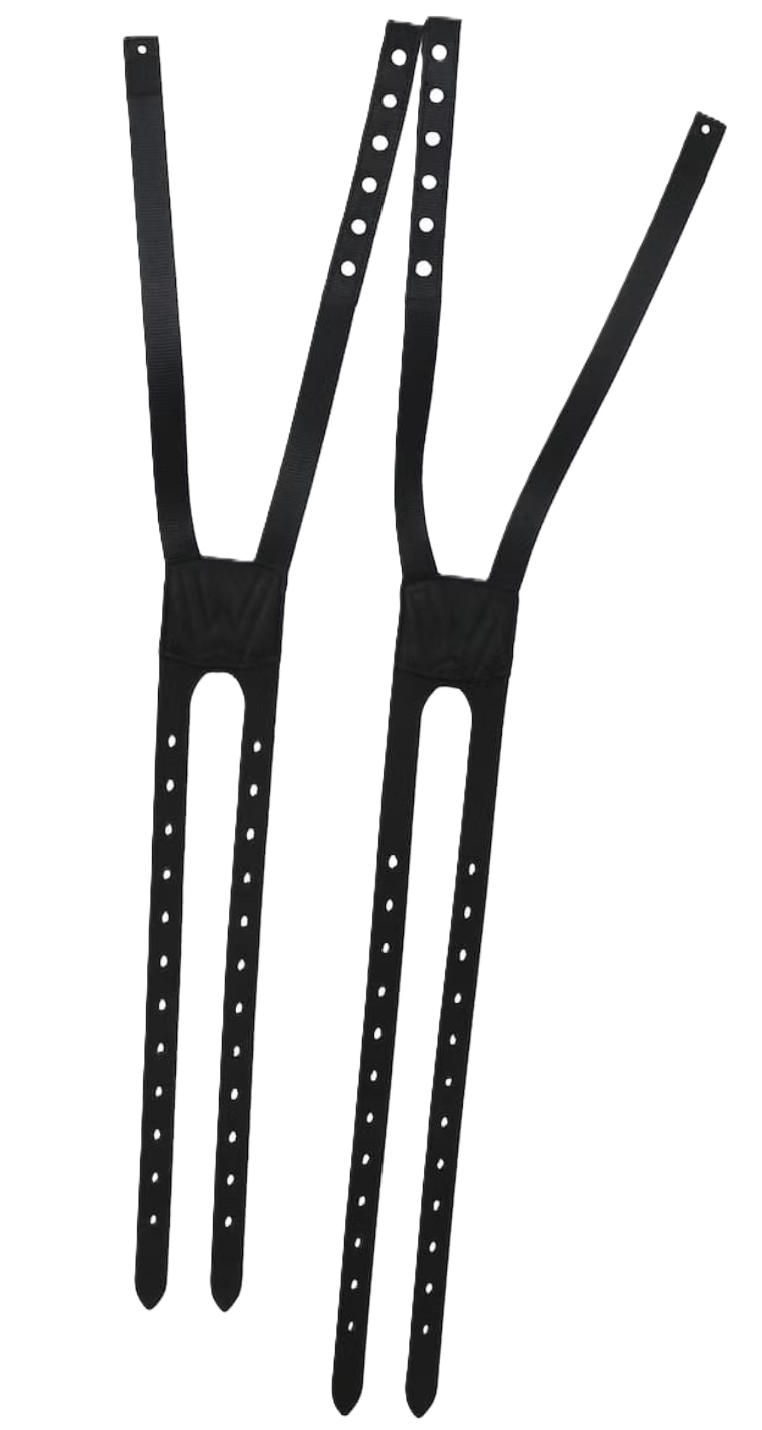
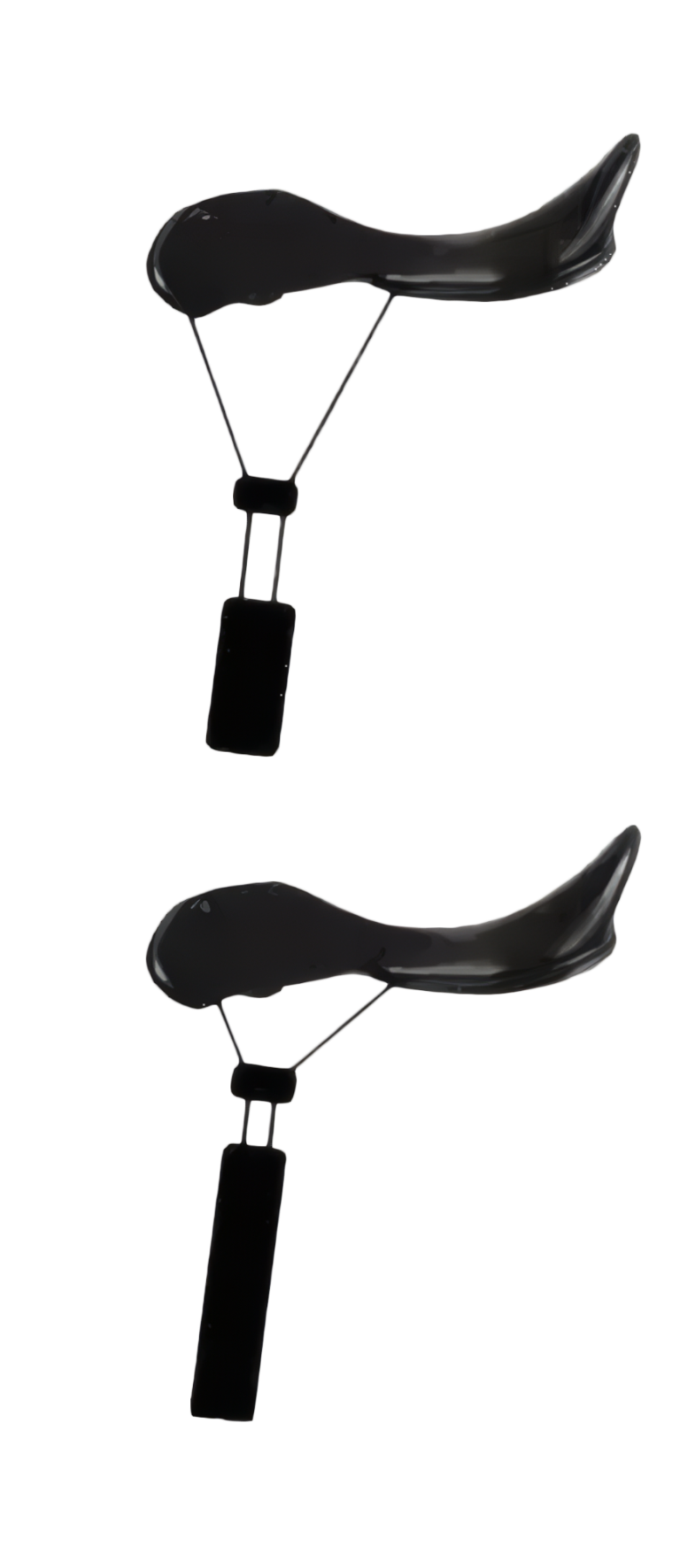
The WOW military girthing system is a specialist configuration designed primarily for horses that have a tendency to push the saddle backwards off the shoulders — a common challenge in show jumping where the effort of clearing larger fences can cause the saddle to shift out of its correct position during work. The military girth replaces the standard running V billets entirely, using a different strap arrangement that creates a forward-pulling angle from the saddle to the girth, actively working to keep the saddle forward over the horse's shoulder rather than simply holding it in a neutral position.
WOW offers the military girthing system in three variations — mild, moderate and extreme — reflecting the degree of forward pull required. As the fences get bigger and the forces pushing the saddle back increase, the front strap of the military girth can be lowered by hanging it onto a higher hole, increasing the forward angle of the configuration and therefore the degree to which it holds the saddle in place. This adjustability means the military girth can be refined over time as the horse's workload and jumping height develop, rather than requiring a completely different configuration each time the demands change.
Importantly, the military girth aids saddle stability without the need to over-tighten the girth — a significant welfare benefit, since many riders instinctively compensate for saddle movement by tightening the girth further, which creates its own set of problems for the horse's comfort and movement.
WOW Foregirth
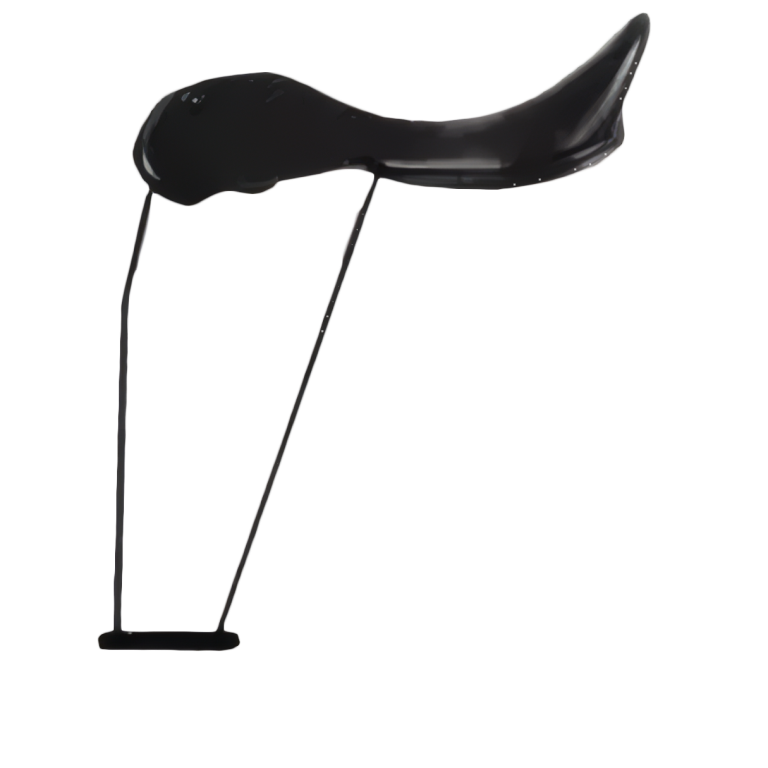
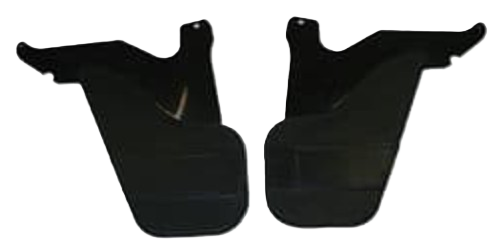
The WOW foregirth is a specialist attachment designed for horses with a very forward girth groove — particularly those that are croup high, have little or no wither definition, or whose girth groove falls so far forward that it sits ahead of the saddle's natural girthing position. In these cases, even a point strap may not provide sufficient forward anchor to keep the saddle correctly positioned behind the shoulder, and the foregirth is the solution WOW has developed to address exactly this challenge.
The foregirth fits between the panel and the flap of the saddle, sandwiched into the saddle itself rather than sitting on the outside. The front running V billet is swapped for a point strap, which is then pulled through the front pocket of the foregirth attachment — bringing the effective girthing point further forward than the point strap alone can achieve, and keeping the saddle firmly anchored behind the shoulder even on the most difficult conformations to fit. Additional pockets on the foregirth allow the back balance strap to be threaded through if further stability is required, though a ridden trial is always recommended first to establish whether this is necessary.
Because the foregirth moves the front girthing point so significantly forward, it must always be used in conjunction with a back balance strap to keep the saddle level and prevent the rear from lifting — and a girth with sufficient width between the attachment points, such as a WOW H girth or FreeSpace girth, is needed to accommodate the spread between front and rear straps. For horses with a very forward girth groove and low withers where other configurations have failed, the foregirth is often the component that finally makes a stable, correct fit possible.
Point Strap
The point strap attaches directly to the tree point at the very front of the saddle — the most forward anchor point available in the WOW system. By connecting the girth directly to the tree point, it provides a firm, direct hold on the front of the saddle that resists forward, backward and lateral movement simultaneously. The point strap is used for horses where a standard strap arrangement does not provide enough forward stability, or where the tree point position relative to the horse's girth groove makes a more conventional attachment less effective. It is often used in combination with a foregirth or balance strap to create a complete, multi-point girthing system tailored precisely to the individual horse.
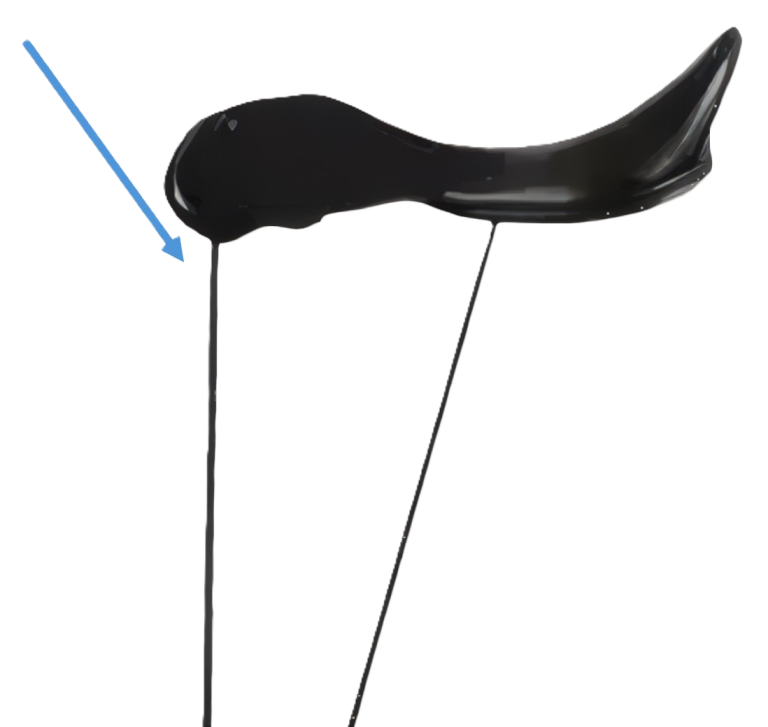
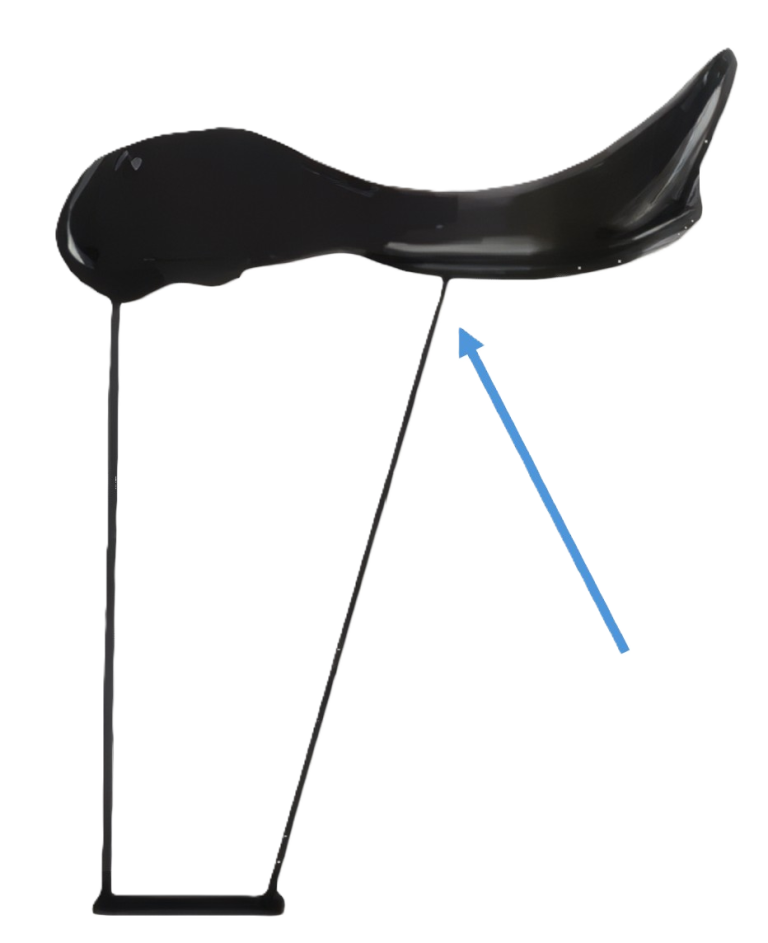
Back Balance Strap
The back balance strap is positioned further back along the saddle than the main girthing arrangement, providing an additional anchor point at the rear of the bearing surface. Its primary purpose is to prevent the back of the saddle from lifting during work — a tendency seen in some horses where the movement of the back during canter or jumping causes the cantle to rise away from the panels, disrupting the evenness of the fit and the stability of the rider's position. By anchoring the rear of the saddle as well as the front, the back balance strap works in concert with the forward girthing arrangement to keep the entire saddle level, still and correctly positioned throughout all work.
We need your consent to load the translations
We use a third-party service to translate the website content that may collect data about your activity. Please review the details in the privacy policy and accept the service to view the translations.