
Master Bridle Fitting | Specialist Bit Fitting | Saddle fitting
Precision Fitting for Peak Performance
Covering Northamptonshire and surrounding areas
07359 205538
Master Bridle Fitting | Specialist Bit Fitting | Saddle fitting
Precision Fitting for Peak Performance
Covering Northamptonshire and surrounding areas
07359 205538
Function meets versatility
The cheekpiece design of a bit is far more than an aesthetic choice—it fundamentally affects how the bit functions in your horse's mouth, how aids are communicated, and how the horse experiences contact.
Bombers Bits recognizes this by offering their key mouthpiece designs across a comprehensive range of cheekpiece styles, each engineered to provide specific functional benefits.
From the maximum movement and softness-encouraging properties of loose rings, through the stable gentleness of eggbutts, to the lateral guidance of D-rings and full cheeks, and the poll pressure mechanisms of Baucher and hanging cheek designs—Bombers ensures you're never forced to choose between the mouthpiece your horse needs and the cheek function your riding requires.
This systematic approach to cheekpiece options means professional fitters can precisely match not just mouth anatomy but also training stage, discipline demands, and individual horse responses, creating combinations that address every aspect of comfortable, effective communication.
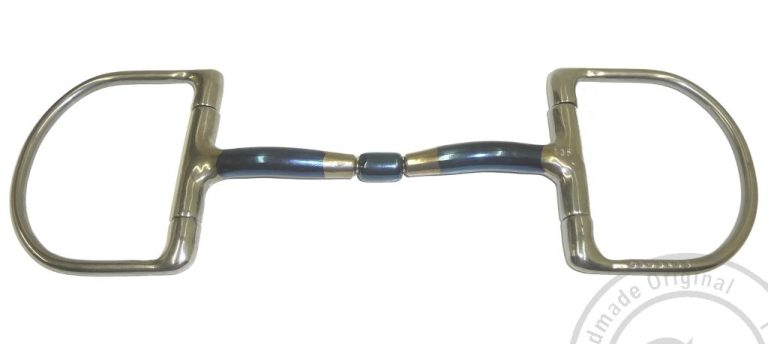
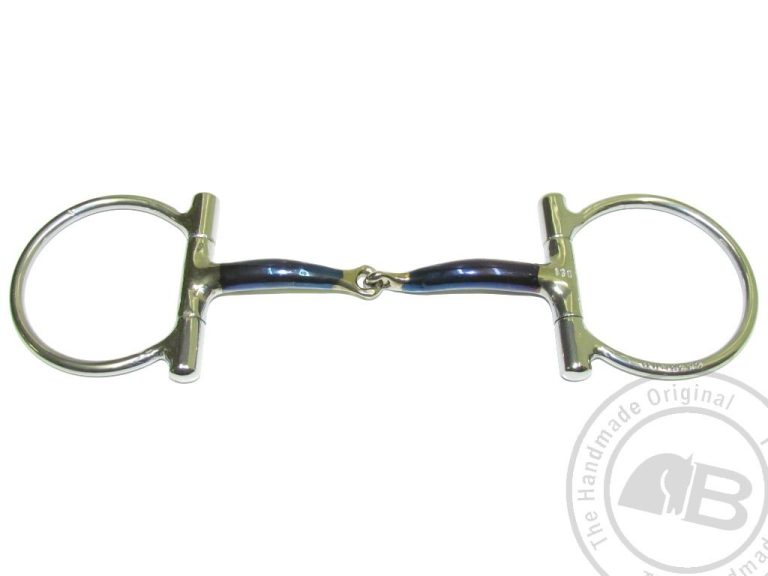
What it is: A cheek design featuring D-shaped rings that provide more stability than loose rings while offering gentle lateral guidance through the flat sides of the D-shape
Best for:
Problems it solves:
How it works: The flat D-shape provides a larger bearing surface against the side of the horse's face, creating gentle lateral pressure that helps communicate directional aids more clearly than round loose rings. The fixed position of the mouthpiece within the D prevents the bit from being pulled through the mouth to one side, encouraging straighter work and more even contact. The D-ring design is more stable in the mouth than loose rings (reducing movement that can unsettle sensitive horses) while still allowing the mouthpiece to move independently for clear communication. The solid construction eliminates any risk of lip pinching that can occur with loose rings.
Important note: D-ring cheekpieces provide a middle ground between the maximum movement of loose rings and the significant lateral guidance of full cheeks. They're an excellent choice for many horses, particularly during training and development, but the increased stability means slightly less encouragement to mouth and soften than loose rings provide. Professional fitting ensures the D-ring design suits your horse's stage of training and individual needs.
What it is: A cheek design where the mouthpiece attaches higher on the cheekpiece with the rein ring positioned lower, creating a lever action that applies gentle poll pressure and encourages lowering
Best for:
Problems it solves:
How it works: The drop cheek creates a small lever action through the positioning of the mouthpiece attachment above the rein ring. When rein contact is taken, this configuration applies gentle downward pressure on the poll, encouraging the horse to lower their head, soften through the poll, and round through the topline. The lever action is much milder than gag bits or traditional leverage bits, providing just enough poll pressure to communicate the lowering aid without harsh action. The design maintains the snaffle classification while adding this additional dimension of communication, making it effective for horses who need encouragement to work in a rounder frame without resorting to stronger leverage bits.
Important note: While classified as a snaffle, the drop cheek provides poll pressure through leverage and is therefore stronger than standard loose ring or eggbutt snaffles. It requires steady, educated hands and should not be used with harsh or inconsistent contact. Not suitable for horses who are already behind the vertical, over-bent, or excessively soft. This is a training tool for specific issues, not an everyday bit for all horses. Professional fitting ensures the drop cheek is appropriate for your horse's current way of going and that it addresses genuine carriage issues rather than masking training or physical problems.
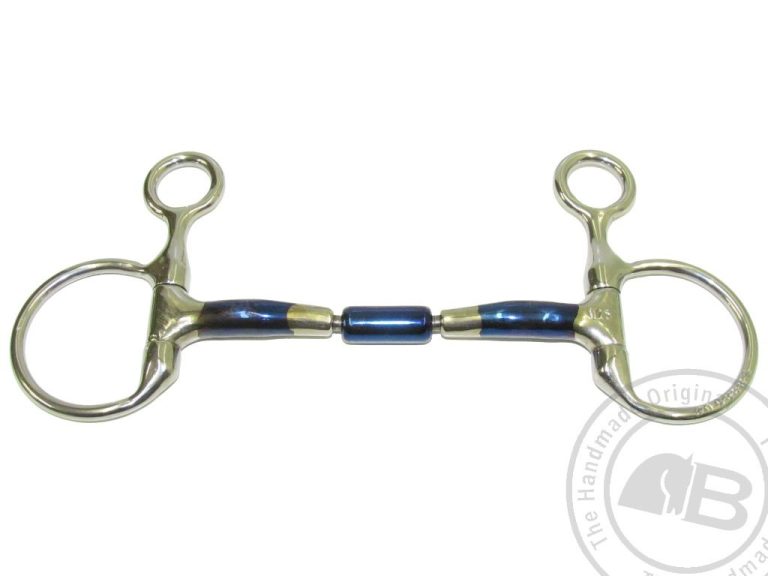
What it is: A lighter, more subtle version of the drop cheek design, providing gentle poll pressure encouragement with less leverage action than the standard drop cheek
Best for:
Problems it solves:
How it works: The Drop Cheek Lite features reduced leverage compared to the standard drop cheek, creating a more subtle lever action that applies gentler poll pressure. The milder action makes it suitable for sensitive horses or those just learning to respond to poll pressure aids, providing enough signal to encourage lowering and softening without the stronger action that some horses find overwhelming. This graduated approach allows horses to understand the concept of poll pressure in a supportive, non-confrontational way, building confidence and correct responses before progressing to stronger designs if needed. The lighter leverage maintains clear communication while prioritizing gentleness and acceptance.
Important note: The Drop Cheek Lite is designed as a gentler introduction to poll pressure mechanisms, not as a weak alternative to proper training. While milder than the standard drop cheek, it still provides leverage action and requires educated, consistent hands. Not suitable for horses who are already behind the vertical or who don't genuinely need poll pressure encouragement. This is a stepping stone in training progression—professional assessment ensures it's introduced at the appropriate time and used correctly to build understanding rather than create confusion or resistance.
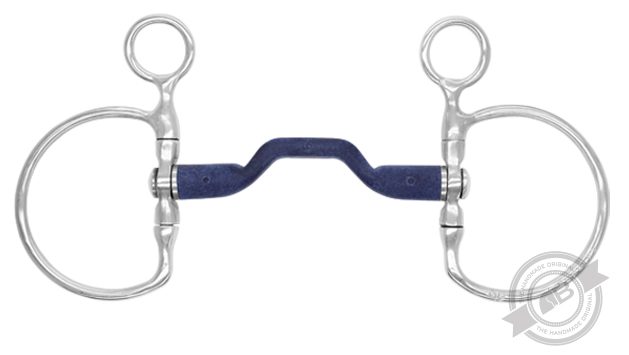
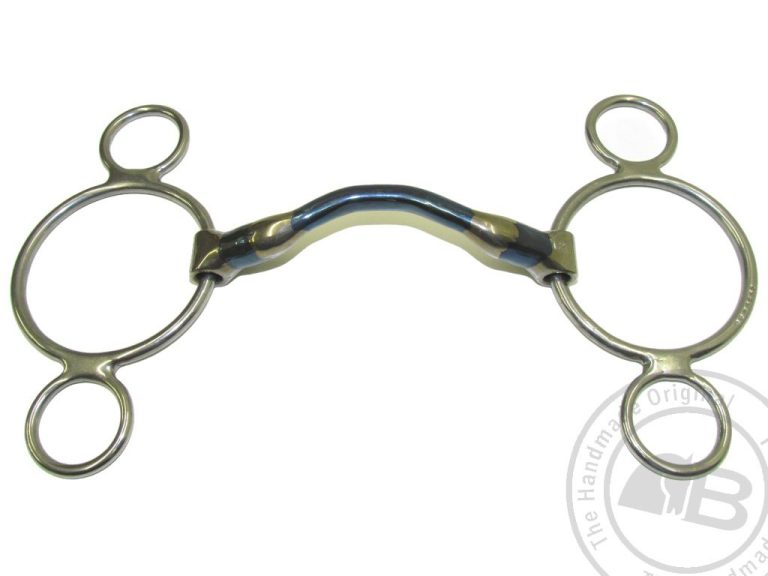
What it is: A cheekpiece design featuring a main snaffle ring with an additional half-ring below and a small ring above, providing multiple rein attachment options for adjustable poll pressure and control
Best for:
Problems it solves:
How it works: The 2.5 Ring provides subtle adjustment options through its ring configuration. Using the main snaffle ring creates standard snaffle action with no poll pressure. Attaching reins to the half-ring below introduces mild poll pressure through gentle leverage, encouraging lowering and softening without strong action. The small ring above allows for alternative attachment creating different pressure dynamics. This design offers more versatility than a fixed snaffle while maintaining relatively mild action compared to full leverage bits. The "2.5" designation reflects having more than a standard single ring but less than the multiple options of a full 3-ring gag or Pessoa-style bit.
Important note: While milder than full leverage bits, the 2.5 Ring still creates poll pressure when used on the lower attachment and is stronger than a standard snaffle. It requires understanding of when each ring position is appropriate and educated hands to use correctly. Not suitable for novice riders or as a substitute for proper training. The adjustability is valuable for horses who genuinely need occasional additional support, but professional guidance ensures correct usage and that the design addresses actual needs rather than masking training gaps or rider position issues.
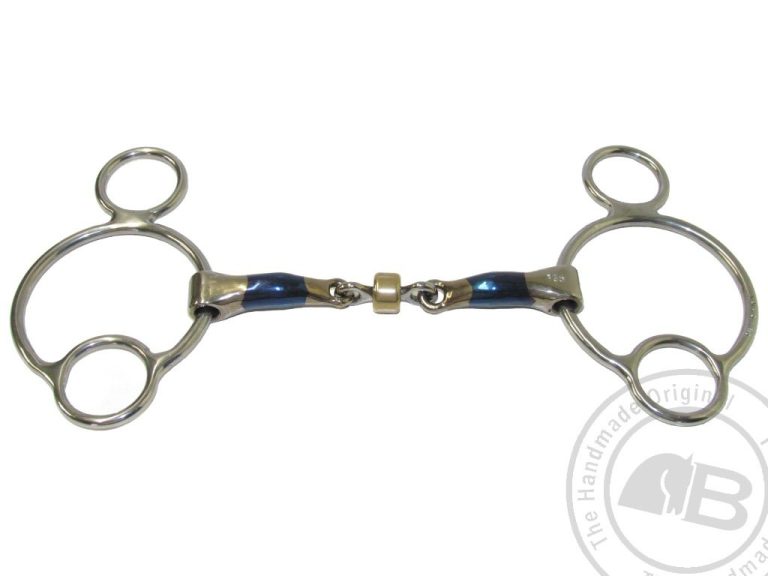
What it is: A cheekpiece design featuring a main snaffle ring with an additional small ring above and a small ring below, providing three rein attachment options for adjustable poll pressure and control
Best for:
Problems it solves:
How it works: The 3 Ring provides three distinct rein attachment positions, each creating different amounts of poll pressure and leverage. Using the top small ring creates minimal poll pressure with gentle encouragement to lower. Using the main (middle) snaffle ring provides standard snaffle action with no leverage or poll pressure. Using the bottom small ring introduces moderate poll pressure through leverage action, encouraging lowering and providing additional control. This progressive system allows riders to select the appropriate level of action for different work—lighter for general schooling, stronger for moments requiring more support. The small ring size keeps the leverage relatively moderate compared to larger-ring gag or Pessoa designs.
Important note: The 3 Ring is a leverage bit when used on the top or bottom rings and is stronger than standard snaffles in those configurations. It requires educated hands and clear understanding of when each ring position is appropriate. Using the bottom ring creates the strongest action and should be reserved for situations genuinely requiring it, not used routinely. Not suitable for novice riders, horses who are already behind the vertical, or as a substitute for addressing training issues. Professional fitting ensures the 3 Ring is appropriate for your horse's needs and that you understand correct usage for each ring position to support training rather than create confusion or resistance.
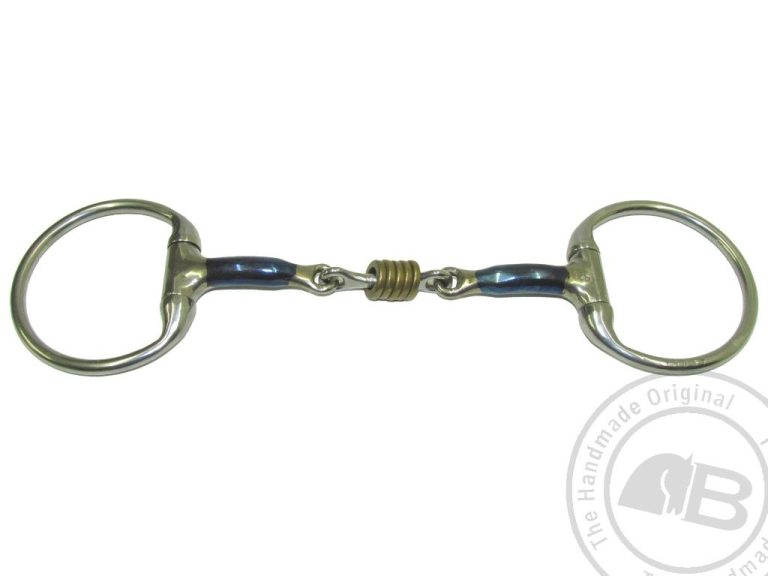
What it is: A cheekpiece design featuring oval-shaped rings that are fixed to the mouthpiece, providing stability and preventing pinching while maintaining a quiet, consistent feel in the mouth
Best for:
Problems it solves:
How it works: The eggbutt's oval rings are fixed to the mouthpiece rather than moving freely like loose rings, creating a stable, quiet feel in the mouth with minimal movement. The fixed rings eliminate the risk of lip pinching that can occur when loose rings rotate and catch the skin at the corners of the mouth. The larger bearing surface of the oval shape distributes any pressure from the rings across a wider area of the face, making lateral aids gentler than smaller rings. The stability reassures sensitive or anxious horses while still allowing the mouthpiece itself to move independently for clear communication. This creates a predictable, consistent feel that many horses find more comfortable than the constant movement of loose rings.
Important note: While the eggbutt's stability is beneficial for many horses, it provides less encouragement to mouth and soften than loose ring designs. The fixed rings mean less movement stimulating the horse to work the bit and relax the jaw. Eggbutts are excellent for horses who genuinely need stability and consistency, but horses who require encouragement to soften may respond better to loose rings. Professional fitting determines whether your horse benefits from eggbutt stability or needs the movement of alternative designs.
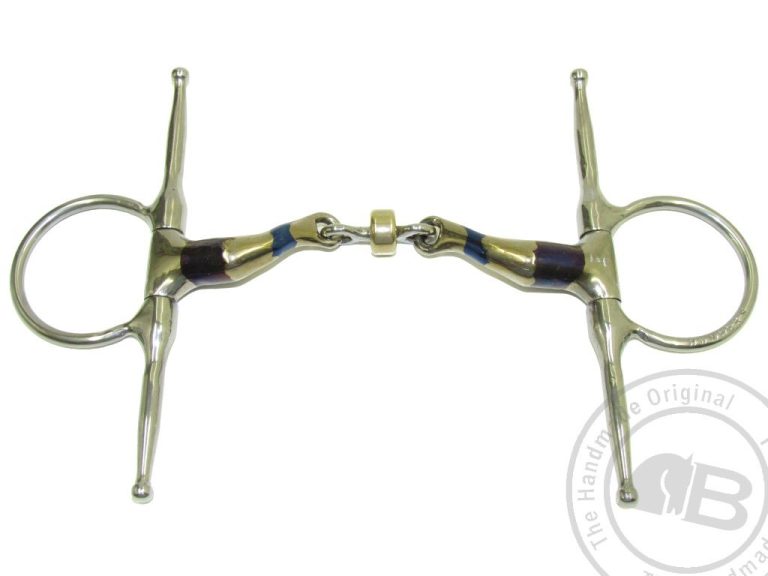
What it is: A cheekpiece design featuring extended vertical arms (cheeks) that project above and below the mouthpiece, providing significant lateral guidance and preventing the bit from being pulled through the mouth
Best for:
Problems it solves:
How it works: The extended vertical cheeks create a large bearing surface against the side of the horse's face, providing strong, clear lateral pressure that communicates directional aids very obviously. When the rider takes one rein, the corresponding cheek presses against that side of the face, making the turning aid unmistakable—particularly valuable for young or green horses learning steering. The cheeks also physically prevent the bit from being pulled through the mouth to one side, keeping it centred and encouraging straighter, more even contact. The upper cheek sits against the face near the cheekbone while the lower cheek extends below the mouth, creating pressure that guides the horse laterally without relying solely on mouth pressure.
Important note: Full cheeks provide the strongest lateral guidance of any snaffle cheekpiece design and must be used with keepers (small leather straps) attaching the upper cheeks to the cheekpieces of the bridle to prevent rotation and keep the cheeks in correct position. The strong lateral action makes them excellent training tools but not ideal for everyday long-term use once steering is established. Not suitable for horses who are already very light and responsive to lateral aids, as the strong guidance can become over-communication. Professional fitting ensures full cheeks are appropriate for your horse's training stage and that keepers are correctly fitted for safe, effective function.
What it is: A specialised cheekpiece design combining elements of D-ring stability with enhanced lateral guidance, named after its distinctive shape that provides refined control and communication
Best for:
Problems it solves:
How it works: The Kimberley Dee features a distinctive shape that provides enhanced bearing surface against the side of the horse's face compared to standard D-rings, creating stronger lateral guidance while maintaining more refinement than full cheeks. The design offers clearer directional communication—when one rein is engaged, the shaped cheekpiece creates obvious lateral pressure helping the horse understand turning and bending aids. The Kimberley configuration prevents the bit from being pulled through the mouth while providing more stability than loose rings or standard D-rings. This creates a middle ground between the gentle guidance of D-rings and the strong directional aid of full cheeks, suitable for horses who need more than basic lateral support but don't require full cheek intervention.
Important note: The Kimberley Dee provides stronger lateral action than standard D-rings and is more directive in its communication. While less strong than full cheeks, it still creates significant lateral guidance and requires appropriate use—not suitable as a substitute for training straightness or as correction for rider-induced crookedness. Professional fitting ensures the Kimberley Dee is appropriate for your horse's genuine needs and training stage, and that enhanced lateral guidance supports development rather than creating dependency on strong equipment.
What it is: A curb bit featuring a D-shaped ring with slots for multiple rein positions, providing poll pressure and curb chain action while maintaining a relatively compact design
Best for:
Problems it solves:
How it works: The Kimblewick operates through leverage mechanics—when rein pressure is applied, the bit creates a lever action applying pressure to the poll (via the headpiece) and to the chin/curb groove (via the curb chain), while the mouthpiece creates pressure in the mouth. The D-shaped rings typically feature slots allowing reins to attach at different positions, adjusting the amount of leverage created. Attaching reins to the upper slot creates less leverage (milder action), while lower attachment increases leverage (stronger action). The curb chain engages when the shanks rotate back, creating the characteristic curb pressure that encourages flexion and lowering. This combination of poll pressure, curb action, and mouth pressure provides significantly more control than snaffle bits.
Important note: The Kimblewick is a CURB BIT with leverage action, NOT a snaffle, and is significantly stronger than any snaffle design. It requires a properly fitted curb chain, educated hands with independent seat (not relying on reins for balance), and understanding of leverage mechanics. Harsh or constant contact causes pain, resistance, and can create dangerous over-flexion. Not suitable for novice riders, young horses, or horses not already educated to understand curb pressure. Not legal in most dressage competitions. Professional fitting and instruction on correct usage are essential—this is a specialized tool for specific situations, not an everyday bit for general riding or a solution to training problems.
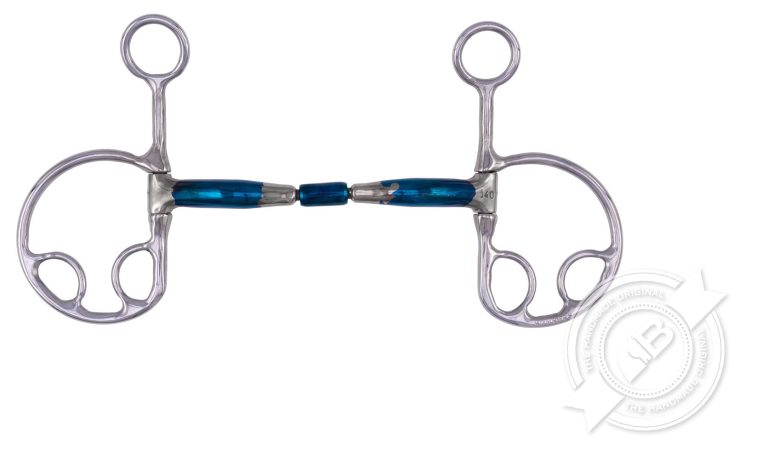
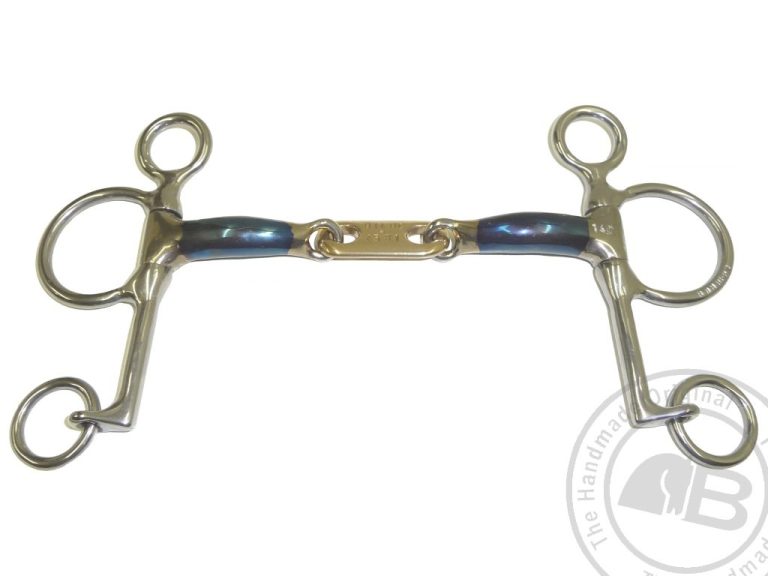
What it is: A curb bit featuring upper rings for snaffle rein attachment and lower shanks for curb rein attachment, designed to provide both direct snaffle action and leverage curb action in a single bit
Best for:
Problems it solves:
How it works: The pelham combines two actions in one mouthpiece. The upper (snaffle) rings allow direct rein contact similar to a snaffle bit, providing straightforward communication for forward riding and lateral work. The lower shanks create leverage when curb reins are engaged—applying poll pressure (via headpiece), curb pressure (via curb chain), and increased mouth pressure through the lever action. Riders can use either rein independently or both together, adjusting the balance between direct snaffle communication and leverage curb control. When both reins are engaged simultaneously, the bit provides sophisticated, nuanced aids similar to a double bridle. Some riders use pelham roundings (single leather connectors) to operate the bit with one rein, though this eliminates the independent control that is the pelham's primary advantage.
Important note: The pelham is a LEVERAGE CURB BIT and significantly stronger than any snaffle. It requires a properly fitted curb chain, highly educated hands capable of managing two reins independently, and a horse educated to understand curb pressure without fear or resistance. Misuse causes severe discomfort, over-flexion, and can create dangerous evasions. Not suitable for novice riders, young or green horses, or horses not already working correctly in snaffles and understanding basic curb principles. Using pelham roundings (single rein) is common but eliminates the independent action that justifies using a pelham—if you need single rein operation, other bits may be more appropriate. Not legal in dressage. Professional fitting, instruction on correct usage, and honest assessment of whether your horse genuinely needs this level of equipment are essential.
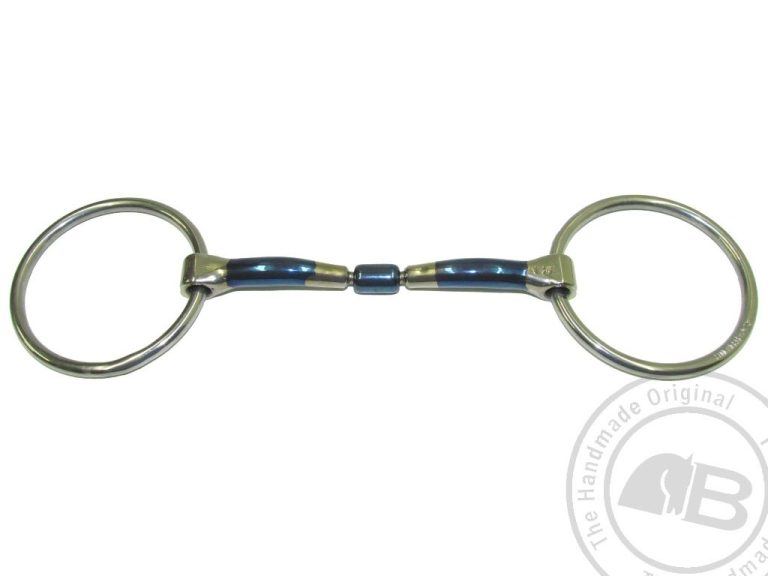
Loose Ring
What it is: A cheekpiece design featuring rings that move freely and independently through holes in the mouthpiece, creating maximum mobility and encouraging the horse to mouth and soften
Best for:
Problems it solves:
How it works: The freely rotating rings create constant subtle movement in the mouth, encouraging the horse to play with the bit, mouth it actively, and maintain a soft, mobile jaw. This movement stimulates salivation and prevents the horse from fixing or leaning against a static surface. The independent ring rotation allows very clear, direct communication of rein aids—each side operates completely independently, making lateral aids precise and unambiguous. The mobility of loose rings also means the bit adjusts and settles naturally in the mouth as the horse works, following movement rather than resisting it. This "live" quality keeps horses attentive and responsive without needing strong pressure.
Important note: While loose rings provide excellent encouragement to soften, the constant movement can pinch delicate lip tissue at the corners of the mouth where the rings rotate through the mouthpiece holes. Bit guards (rubber or leather discs) should be used if pinching occurs. The mobile nature that benefits most horses can be unsettling for very sensitive or anxious horses who prefer the stability of eggbutt or D-ring designs. Professional fitting determines whether your horse benefits from loose ring mobility or requires the quieter feel of fixed cheekpieces.
We need your consent to load the translations
We use a third-party service to translate the website content that may collect data about your activity. Please review the details in the privacy policy and accept the service to view the translations.